
If you’ve ever wondered, “What are smart thermostats?”, you are far from alone. As energy prices continue rising, smart thermostats have become one of the most effective and popular ways to save money on heating and cooling—without sacrificing comfort.
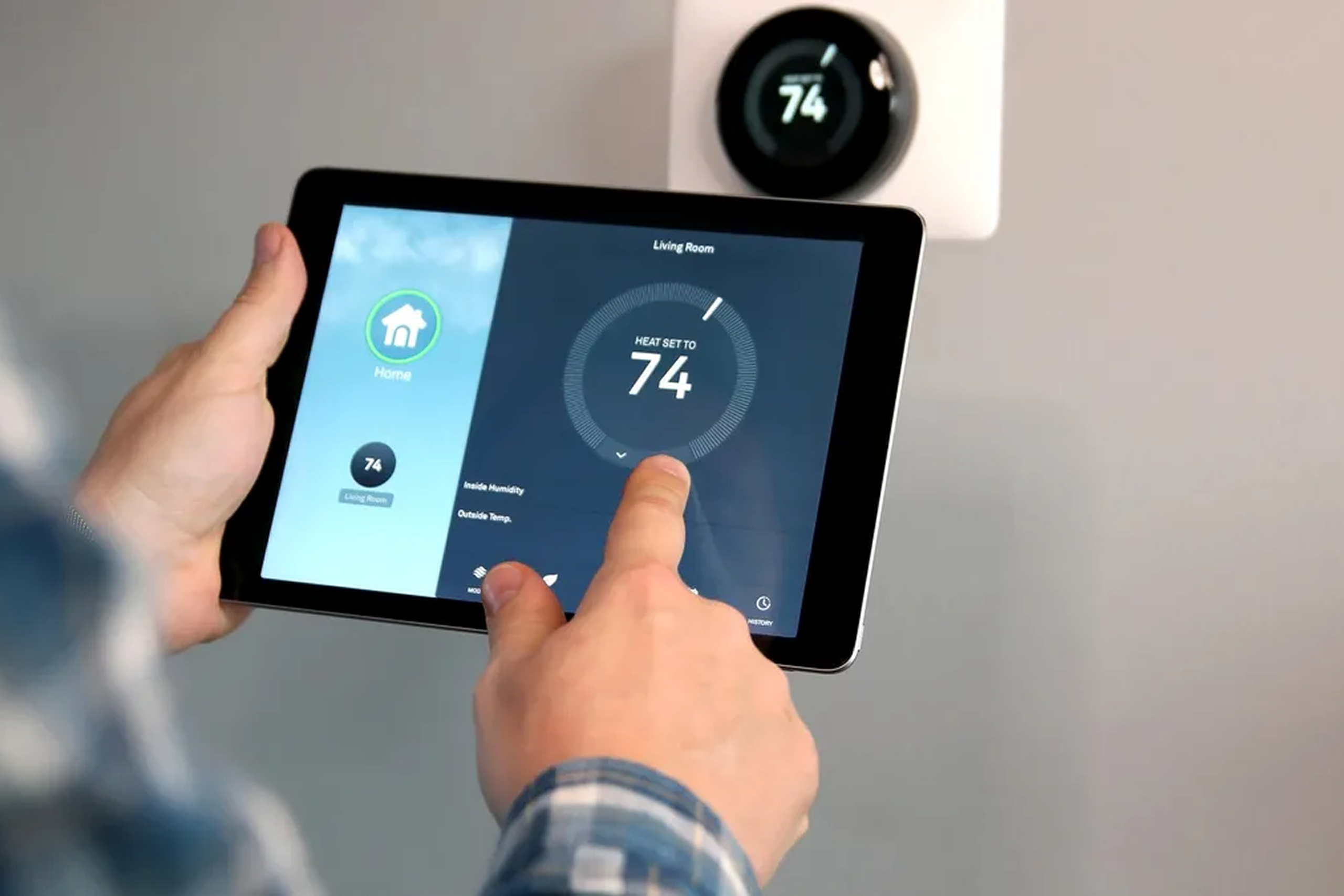
In simple terms, smart thermostats are advanced heating controls that let you manage your home’s temperature remotely, automatically, and intelligently. They connect to Wi-Fi, learn your preferences, optimise energy usage, and make your home more efficient than ever.
This comprehensive 2000+ word guide explains what smart thermostats are, how they work, why they matter, and how they can help you reduce heating bills while increasing comfort.
How Smart Thermostats Work
Understanding what smart thermostats are starts with learning how they operate.
1. Internet Connectivity
Smart thermostats connect to your home’s Wi-Fi network, allowing you to:
Control heating from your smartphone
Adjust settings when you’re away
Receive energy reports
Integrate with smart home devices
2. Built-In Sensors
Most smart thermostats have sensors that detect:
Temperature
Humidity
Motion or occupancy
Light levels
System performance
3. Learning Algorithms
High-end models track:
Your schedule
Your preferred temperature
Energy usage patterns
They then automatically adjust your heating system for better efficiency.
4. Remote App Control
Through the app, you can:
Turn heating on/off
Change schedules
Check energy usage
Receive alerts and maintenance reminders
Benefits of Smart Thermostats
One of the biggest questions for homeowners is not just what smart thermostats are, but why they are considered such powerful tools.
1. Save Energy Automatically
Smart thermostats can reduce heating bills by 10%–25% depending on usage.
2. Increase Comfort
Your home stays at your preferred temperature without needing constant manual adjustments.
3. Remote Control From Anywhere
Forgot to turn the heating off before leaving? No problem.
4. Detailed Energy Reports
Most smart thermostats offer monthly or weekly usage insights.
5. Integrates With Smart Homes
Compatible with:
Alexa
Google Home
HomeKit
Smart radiator valves
Smart plugs
6. Maintenance Alerts
Many models notify you when:
Filters need cleaning
The boiler is underperforming
Heating irregularities are detected
Types of Smart Thermostats
Understanding what smart thermostats are requires distinguishing between the different types available.
1. Learning Thermostats
These adjust automatically based on observed behaviour.
Example brands: Nest Learning Thermostat
2. Programmable Smart Thermostats
You preset schedules manually, but still enjoy remote control and energy tracking.
3. Sensor-Based Smart Thermostats
These use room sensors to heat occupied areas more efficiently.
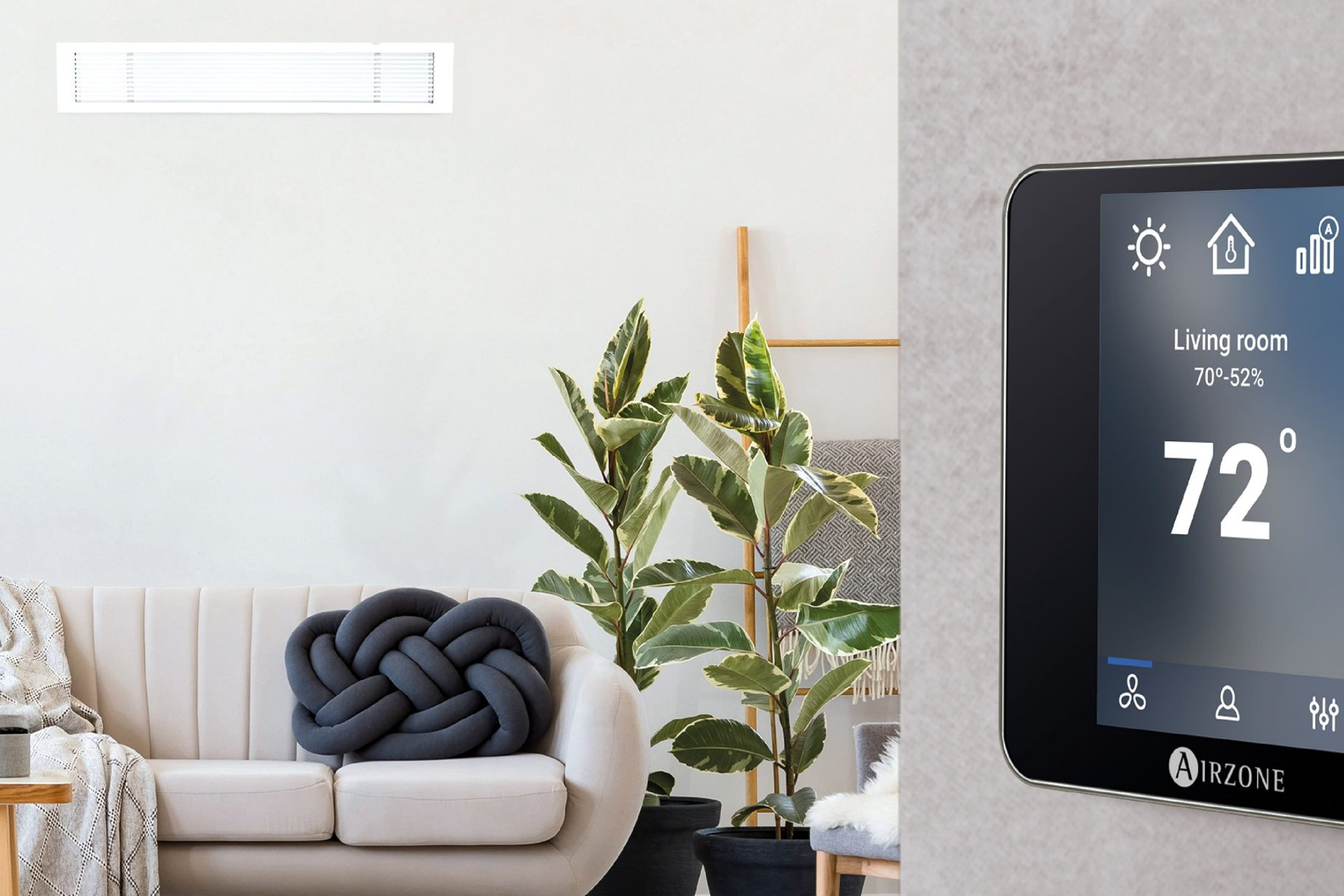
4. Zoned Smart Thermostats
Designed for homes with multi-zone heating or underfloor heating.
5. Heat-Pump Compatible Models
Optimised for modern low-temperature heating systems.
Smart Thermostat Features Explained
Let’s explore what smart thermostats are capable of in more detail.
1. Geofencing
Heating turns on automatically when you’re heading home.
2. Weather Compensation
Adjusts temperature based on outdoor weather conditions.
3. Multi-Room Sensors
Allows precision heating in specific rooms.
4. Open-Window Detection
Turns off heating when sudden drops in temperature occur.
5. Learning & Automation
Reduces manual adjustments.
6. Holiday Mode
Automatically lowers heating when you’re away for long periods.
7. Energy Usage Insights
Tells you exactly where your heating energy is going.
What Are Smart Thermostats Doing That Regular Ones Can’t?
Smart thermostats outperform standard thermostats in nearly every way.
1. Real-Time Controls
Programmable thermostats simply follow a set schedule. Smart thermostats adapt dynamically.
2. Reduced Human Error
No more accidentally leaving heating on for hours.
3. Learning Capabilities
Traditional thermostats cannot learn your habits.
4. Improved Energy Efficiency
Smart thermostats use data, sensors, and AI to intelligently reduce consumption.
5. Comfort Personalisation
You can heat specific rooms, not the whole house.
Compatibility With Heating Systems
Another key question homeowners ask when researching what are smart thermostats is whether they work with their heating setup.
Most smart thermostats are compatible with:
Boilers (combi, system, and conventional)
Heat pumps
Electric heating systems
Radiators with TRVs
Underfloor heating (wet or electric)
Compatibility may vary depending on brand and model.
Installation: DIY or Professional?
Smart thermostats can be installed in two ways:
1. DIY Installation
Ideal if:
You are comfortable with basic wiring
Your system has a C-wire (common wire)
The manufacturer provides a step-by-step guide
2. Professional Installation
Recommended when:
You have a complex heating system
You’re unsure about wiring
You have multiple zones
You want the thermostat paired with a boiler
Smart Thermostat Energy Savings
Many homeowners research what smart thermostats are because they want guaranteed savings.
Smart thermostats save energy by:
Learning your schedule
Avoiding unnecessary heating
Detecting when no one is home
Reducing heating overnight
Using outdoor weather data
Showing real-time energy use
Average savings:
10%–12% on heating
15%–20% on cooling (if applicable)
These savings accumulate significantly over time.
What Are Smart Thermostats Costing in 2025?
Prices vary depending on features and brand.
Average costs:
Basic smart thermostats: £70–£150
Mid-range models: £150–£220
Premium models (learning, multi-room, AI): £230–£350
Installation costs (optional):
£80–£200 depending on system complexity
Common Myths and Misconceptions
Myth 1: Smart thermostats require a smart home to work
False. They work independently.
Myth 2: They’re too complicated
Most users find them easier once installed.
Myth 3: Smart thermostats are only for big homes
Even small flats benefit significantly.
Myth 4: They require expensive wiring upgrades
Most don’t.
Smart Thermostat Security & Data Privacy
Many people researching what smart thermostats are also ask about privacy.
Data smart thermostats collect:
Temperature settings
Heating usage
Occupancy data
Diagnostic information
Ways brands protect your privacy:
Encrypted communication
Local processing
Strict privacy policies
App access controls
Always choose reputable brands that meet industry security standards.
How to Choose the Right Smart Thermostat
Before buying, consider:
1. Your heating system
Check compatibility.
2. Required features
Do you need multi-room sensors? Learning features?
3. Budget
Balance price vs. functionality.
4. Smart home compatibility
Alexa? Google? HomeKit?
5. Ease of installation
DIY or professional?
Top Smart Thermostats in 2025
1. Google Nest Learning Thermostat (Latest Gen)
Best for automation and learning features.
2. Tado° Smart Thermostat
Best for multi-room and smart radiator valves.
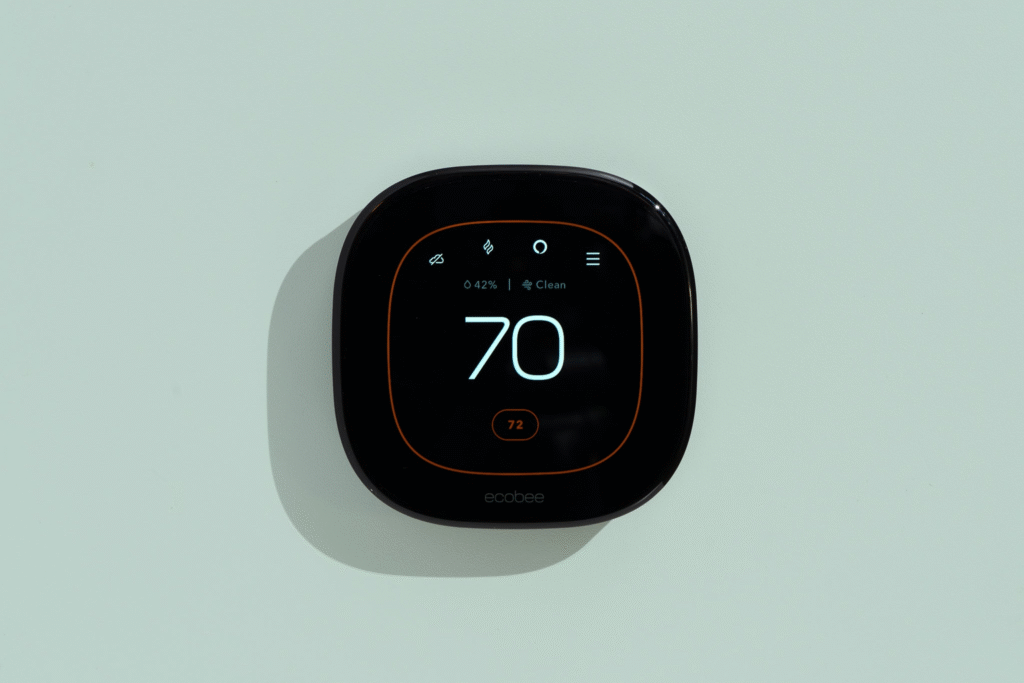
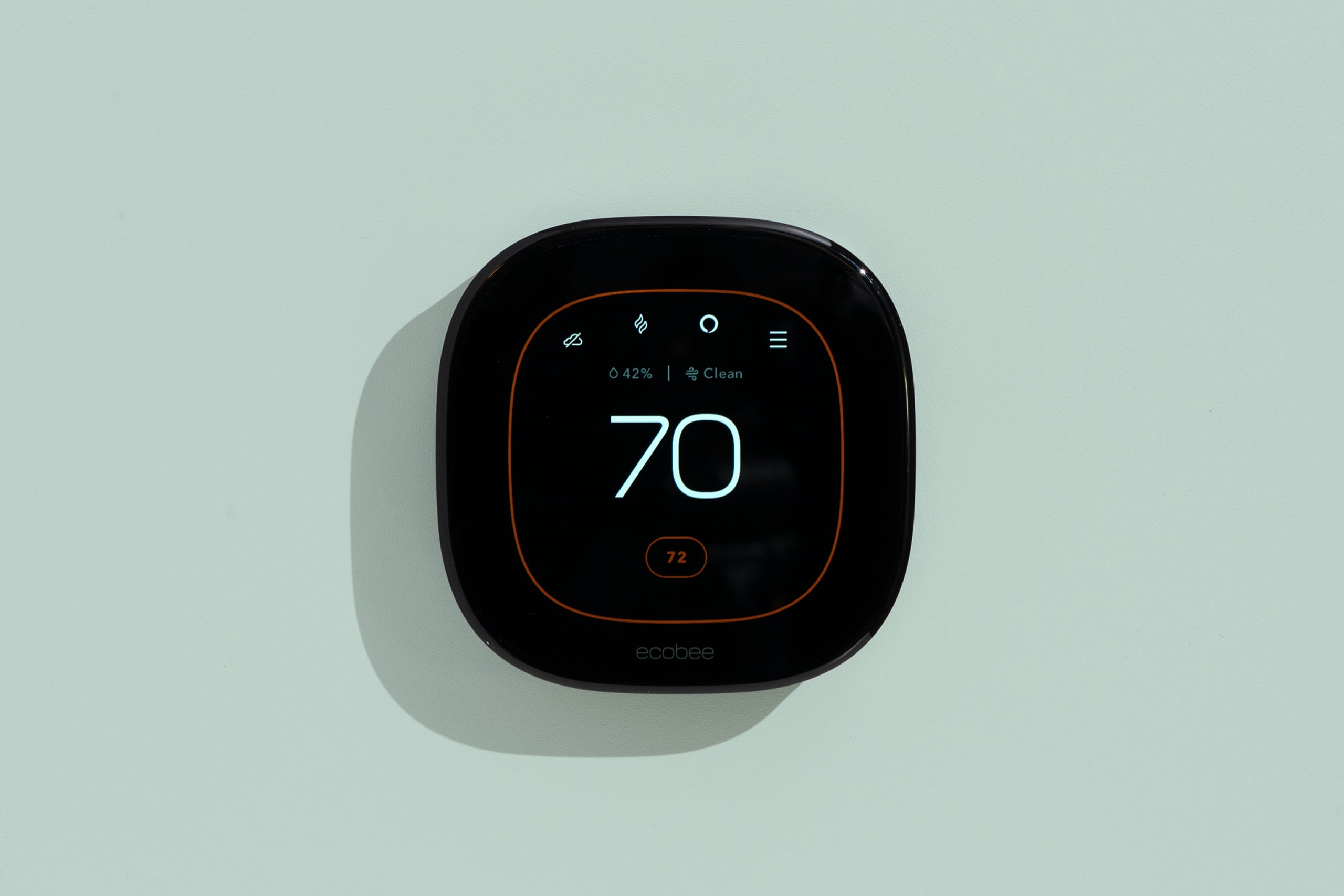
3. Ecobee Smart Thermostat Premium
Best for large homes and multi-sensor setups.
4. Honeywell Home T9
Best for zoned heating.
5. Drayton Wiser
Best affordable, modular smart heating system.
Now that you understand what smart thermostats are, it’s easy to see why they’ve become one of the most valuable additions to modern homes. They deliver comfort, convenience, and long-term savings—all while giving you more control over how your home is heated.
Smart thermostats are not just gadgets—they’re intelligent energy-saving tools that help you live more efficiently. Whether you’re looking to reduce energy bills, upgrade your heating system, or modernise your home, a smart thermostat is a powerful and worthwhile investment.