
Modern central heating systems are reliable, but they are also complex. They rely on boilers, pumps, valves, thermostats, radiators, and pipework working together seamlessly. When even one component fails, Central Heating Problems begin to appear.
Homeowners often ignore early warning signs, assuming minor issues will resolve themselves. Unfortunately, unresolved Central Heating Problems usually worsen, leading to breakdowns, higher bills, or complete system failure. Recognising problems early and understanding their causes is the first step toward keeping your heating system efficient and dependable.
This guide explores the most common Central Heating Problems found in UK homes, explains what causes them, and outlines practical solutions—both DIY fixes and professional repairs.
Radiators Not Heating Up Properly
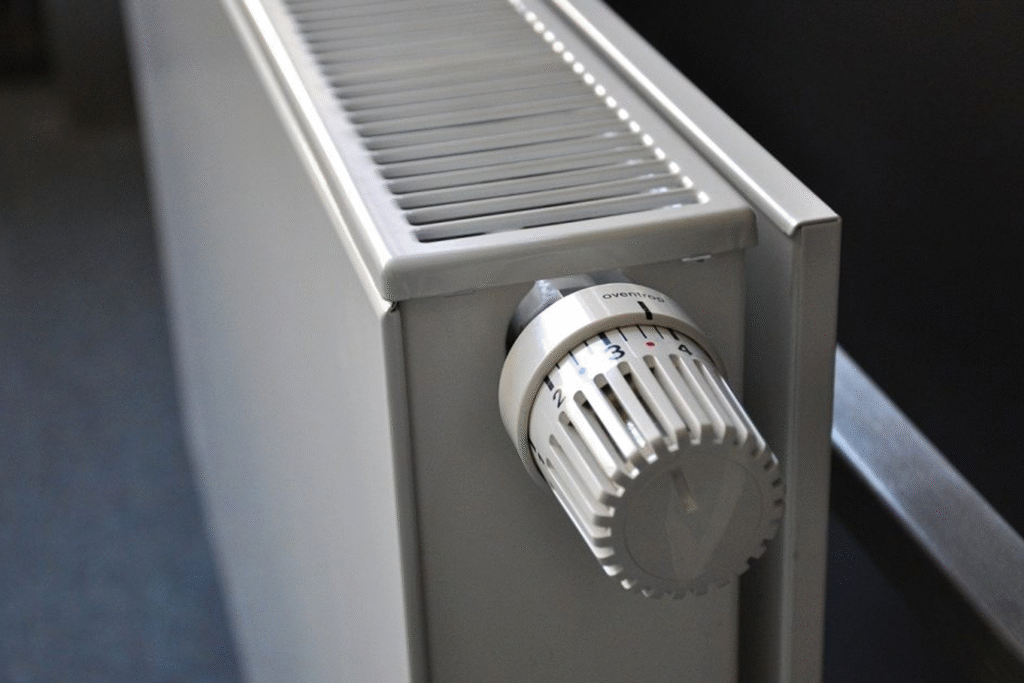
One of the most frequent Central Heating Problems is radiators that stay cold or only heat at the bottom.
This issue often appears when the boiler is running, but rooms fail to warm up evenly. Cold radiators reduce comfort and waste energy.
Common causes include:
Trapped air inside the radiator
Sludge or debris buildup
Poor system balance
Faulty radiator valves
Bleeding radiators is often the first step, as trapped air prevents hot water from circulating properly. If the radiator remains cold after bleeding, sludge buildup may be the culprit.
Uneven Heating Throughout the Home
Uneven temperatures between rooms are another widespread example of Central Heating Problems. Some rooms may overheat while others remain cold.
This usually happens when:
The system is poorly balanced
Radiators closer to the boiler receive more heat
Pipework layout is inefficient
Balancing the system ensures that hot water flows evenly to all radiators. While balancing can be done manually, it requires patience and careful valve adjustment. Persistent imbalance may indicate deeper Central Heating Problems requiring professional attention.
Boiler Losing Pressure Regularly
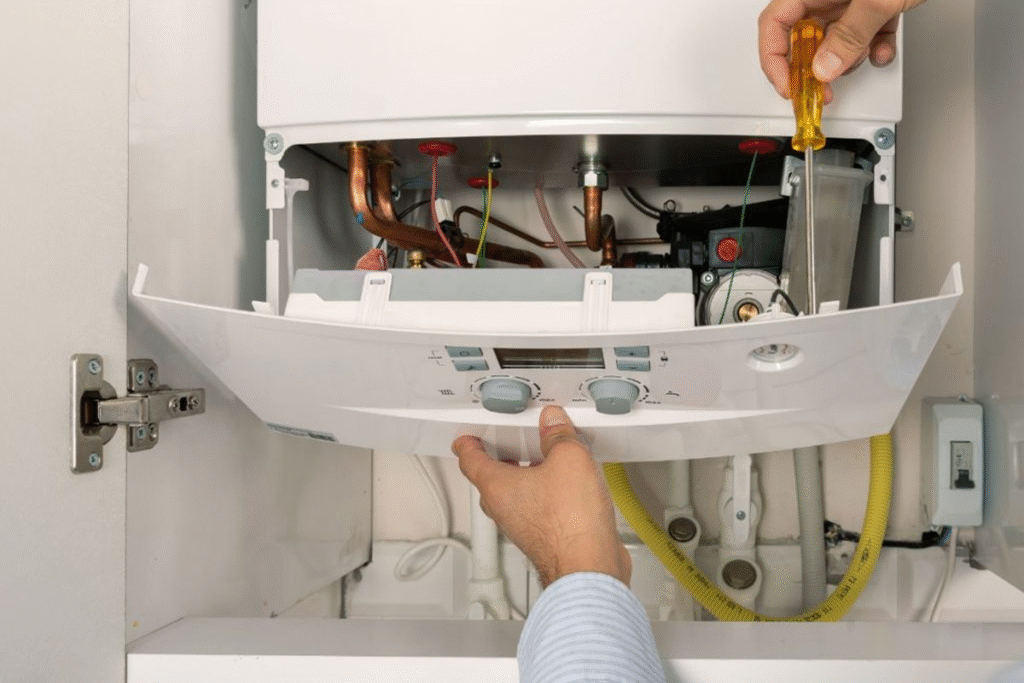
Low boiler pressure is a serious sign among Central Heating Problems and should never be ignored.
Most systems operate best at 1–1.5 bar when cold. Pressure loss reduces efficiency and may prevent the boiler from operating safely.
Typical causes include:
Leaks in pipework or radiators
Recently bled radiators
Faulty pressure relief valves
Expansion vessel issues
Topping up pressure using the filling loop may temporarily solve the problem, but recurring pressure drops suggest hidden leaks—one of the most damaging Central Heating Problems if left unresolved.
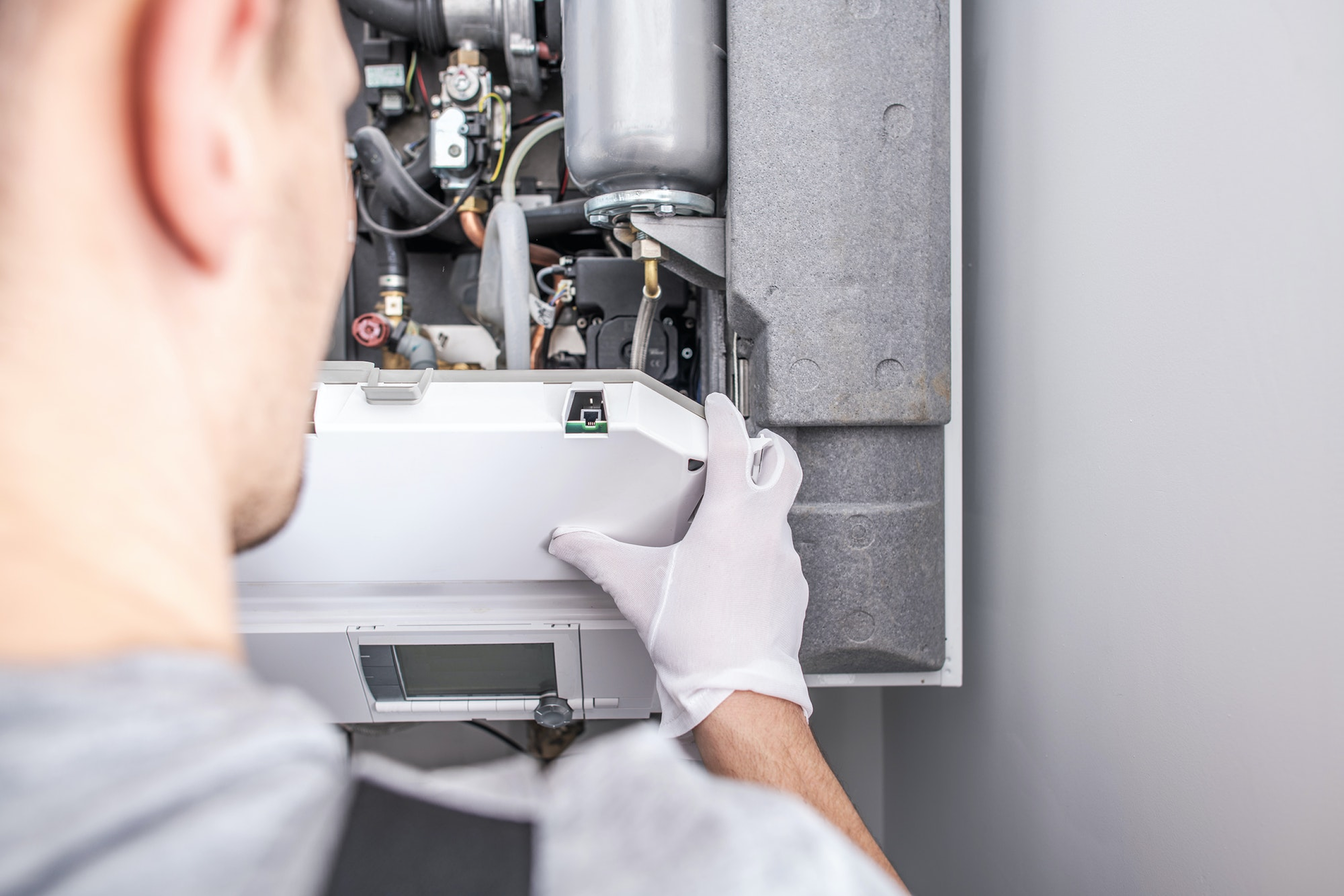
Strange Noises Coming from the Boiler or Radiators
Noises such as banging, gurgling, or whistling are classic indicators of Central Heating Problems.
These sounds often result from:
Air trapped in the system
Limescale buildup
Sludge restricting water flow
Faulty pumps
A loud banging noise, often called kettling, occurs when water overheats due to restricted flow. This not only affects comfort but also shortens boiler lifespan.
Regular servicing helps detect noise-related Central Heating Problems before they cause lasting damage.
Heating System Keeps Switching Off
If your heating system turns off unexpectedly, it may be responding to a safety fault. This is one of the more concerning Central Heating Problems.
Possible reasons include:
Low system pressure
Overheating
Faulty thermostat
Blocked condensate pipe (common in winter)
Modern boilers shut down automatically to prevent damage. While this protects the system, repeated shutdowns indicate underlying Central Heating Problems that should be diagnosed quickly.
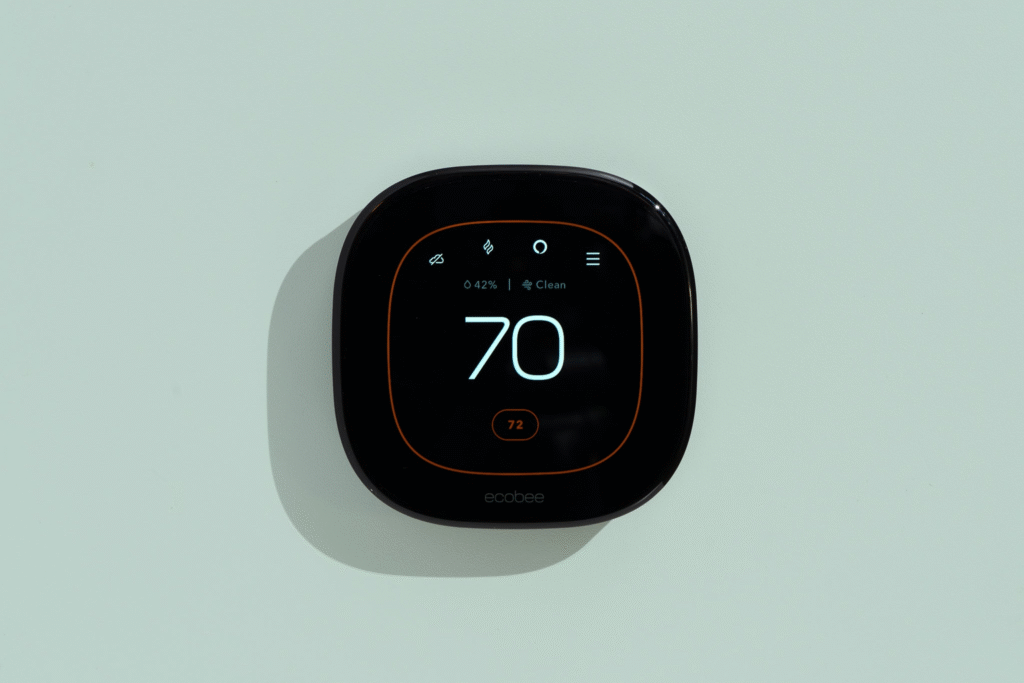
Thermostat Not Responding Correctly
A faulty thermostat can cause Central Heating Problems that are often mistaken for boiler faults.
Common thermostat-related issues:
Incorrect placement near heat sources
Dead batteries
Wiring faults
Calibration errors
If your heating turns on at the wrong times or doesn’t respond to temperature changes, the thermostat may be the issue rather than the boiler itself.
Radiators Take Too Long to Heat Up
Slow-heating radiators are another sign of Central Heating Problems developing within the system.
This is often caused by:
Sludge buildup
Undersized radiators
Low boiler efficiency
Incorrect pipe sizing
Over time, corrosion particles settle at the bottom of radiators, restricting flow. A professional power flush removes debris and restores performance.
Pilot Light Keeps Going Out
For older systems, a pilot light that frequently goes out is a common example of Central Heating Problems.
Potential causes include:
Faulty thermocouple
Gas supply issues
Draughts affecting the flame
This issue should always be addressed by a Gas Safe registered engineer due to safety risks.
Heating Bills Suddenly Increase
Rising energy bills often indicate hidden Central Heating Problems rather than changes in usage.
Possible causes:
Reduced system efficiency
Heat loss through uninsulated pipes
Aging boiler components
Poor system controls
If your heating costs rise without explanation, your system may be working harder than necessary due to unresolved Central Heating Problems.
Frequent Boiler Breakdowns
Repeated boiler faults suggest ongoing Central Heating Problems rather than isolated incidents.
This may indicate:
An aging boiler nearing replacement
Poor maintenance history
Incorrect installation
Internal component failure
If repairs become frequent and costly, replacement may be more economical than continued fixes.
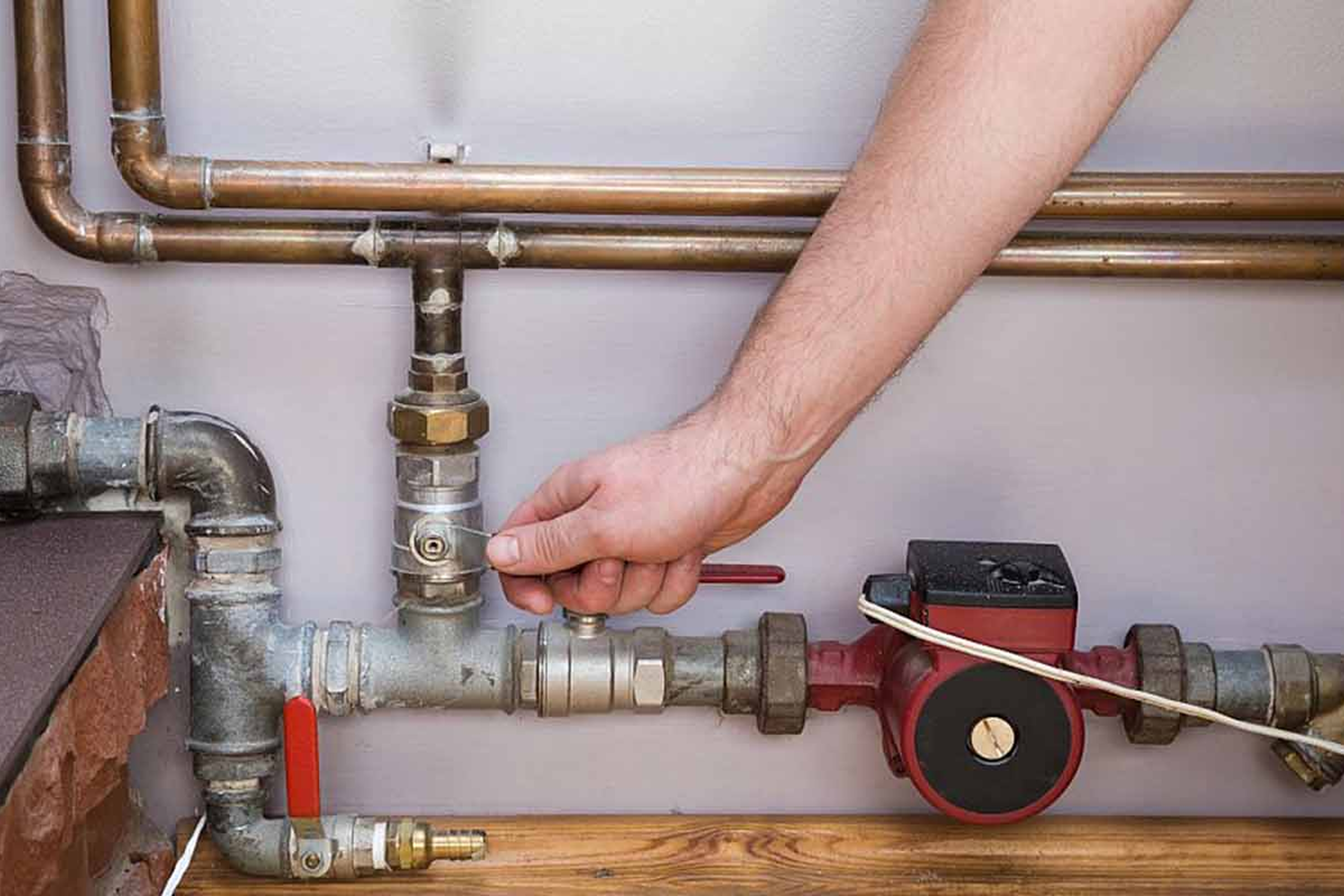
Water Leaks Around the Heating System
Leaks are one of the most damaging Central Heating Problems and should be addressed immediately.
Leaks commonly occur at:
Radiator valves
Pipe joints
Boiler seals
Pressure relief valves
Even small leaks reduce pressure and can cause corrosion, mould growth, and long-term structural damage.
Cold Radiators with a Hot Boiler
When the boiler is hot but radiators remain cold, circulation issues are often to blame.
Common causes include:
Faulty circulation pump
Closed or stuck valves
Severe sludge buildup
This is one of the Central Heating Problems that usually requires professional diagnosis.
Preventing Central Heating Problems with Regular Maintenance
Most Central Heating Problems are preventable with routine care.
Preventive steps include:
Annual boiler servicing
Bleeding radiators regularly
Monitoring system pressure
Power flushing every few years
Preventive maintenance improves efficiency, extends system lifespan, and reduces the likelihood of unexpected breakdowns.
When to Call a Professional
While some Central Heating Problems can be resolved with simple DIY steps, others require expert intervention.
Call a professional if:
Pressure keeps dropping
You smell gas
The boiler keeps shutting down
Leaks are present
Heating stops entirely
Attempting complex repairs without training can be dangerous and costly.
Conclusion: Stay Ahead of Central Heating Problems
Central heating systems rarely fail without warning. Cold spots, unusual noises, pressure changes, and rising bills all signal developing Central Heating Problems.
By understanding the most common issues and acting early, homeowners can avoid major repairs, reduce energy costs, and maintain reliable comfort throughout the year. Whether through simple maintenance or professional servicing, addressing Central Heating Problems promptly ensures your system stays efficient, safe, and dependable.