
Choosing air conditioning is no longer a luxury decision for many households. As summers become warmer and homes more energy-efficient, understanding how to choose the right AC unit for your home is essential for comfort, efficiency, and long-term savings. With multiple system types, sizes, and features available, making the wrong choice can lead to higher energy bills and poor performance.
This guide explains everything homeowners need to know before investing in an air conditioning system, helping you make a confident and informed decision.
Understanding How to Choose the Right AC Unit for Your Home
Before comparing models or prices, it’s important to understand what choosing the right AC unit actually involves. The correct system depends on your home’s size, layout, insulation, and how you use each space. A unit that works perfectly in one property may be completely unsuitable in another.
Learning how to choose the right AC unit for your home means focusing on efficiency, comfort, and long-term reliability rather than just upfront cost.
How Home Size Impacts AC Selection
One of the most important factors in choosing air conditioning is the size of your home or room. Systems that are too small will struggle to cool effectively, while oversized units can cause short cycling, increased wear, and uneven temperatures.
Professionals calculate cooling capacity using room dimensions, ceiling height, insulation quality, and window placement. This ensures the AC unit operates efficiently without wasting energy. Understanding this step is crucial when deciding how to choose the right AC unit for your home.
Different Types of AC Units Explained
There are several air conditioning systems available, each designed for specific needs.
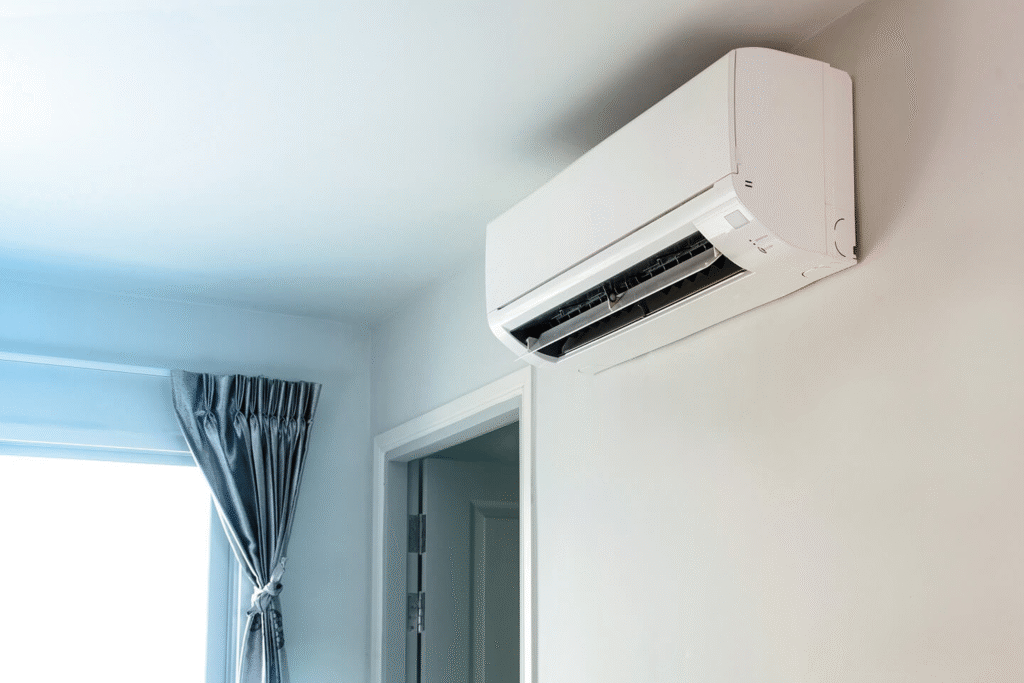
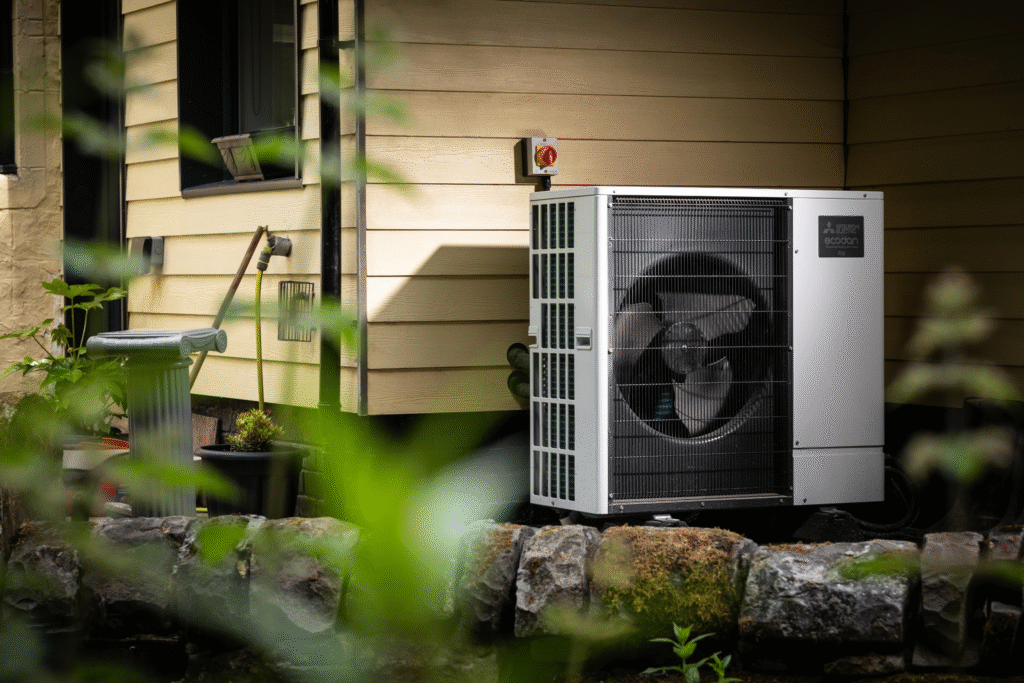
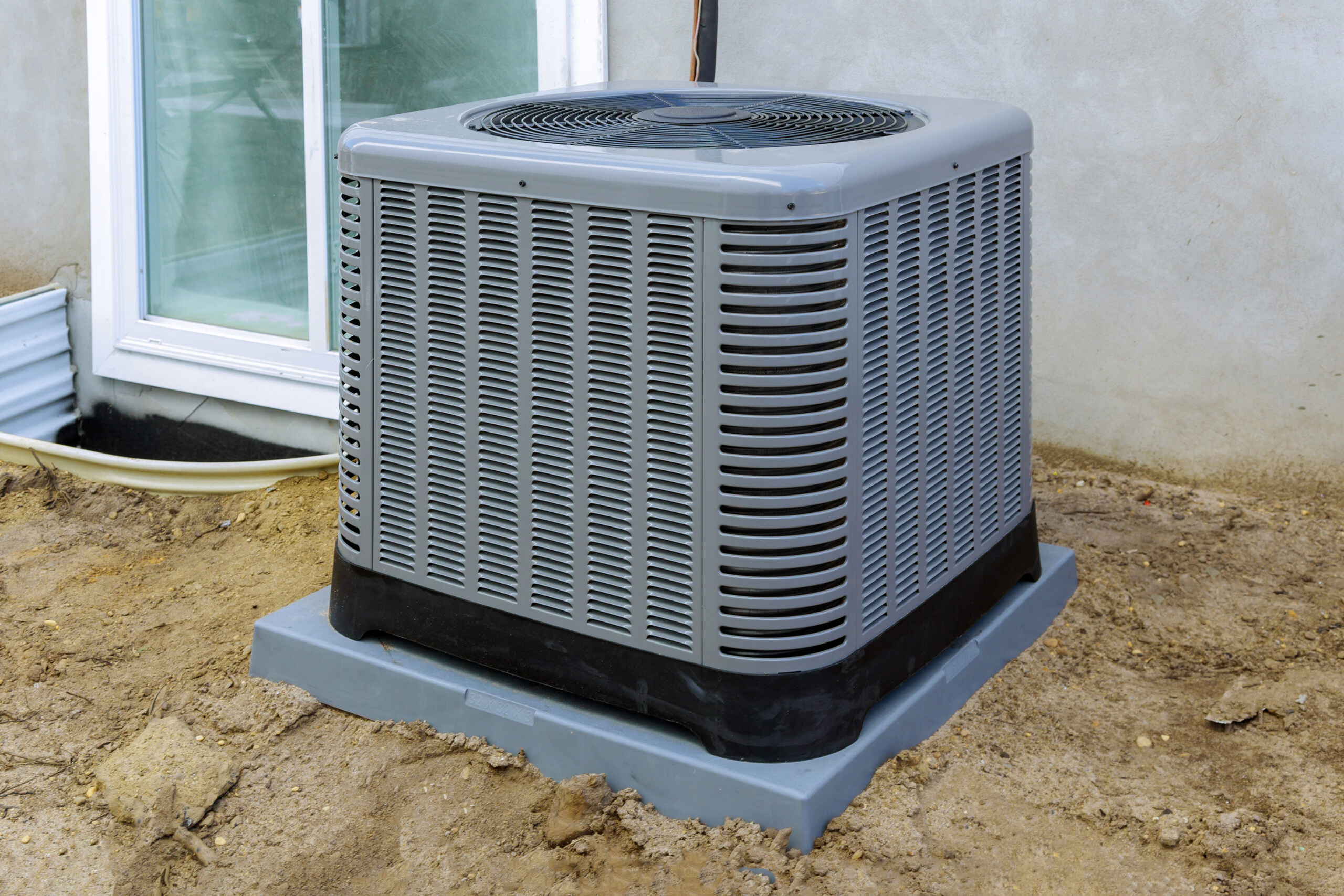
Split systems are ideal for individual rooms and small properties. They are efficient, quiet, and relatively simple to install. Multi-split systems allow multiple indoor units to connect to a single outdoor unit, making them suitable for larger homes.
Ducted air conditioning provides whole-home cooling through concealed vents and is often chosen for new builds or major renovations. Portable and window units offer temporary solutions but generally lack efficiency and long-term value.
Understanding system types helps narrow down how to choose the right AC unit for your home without unnecessary compromises.
Energy Efficiency and Running Costs
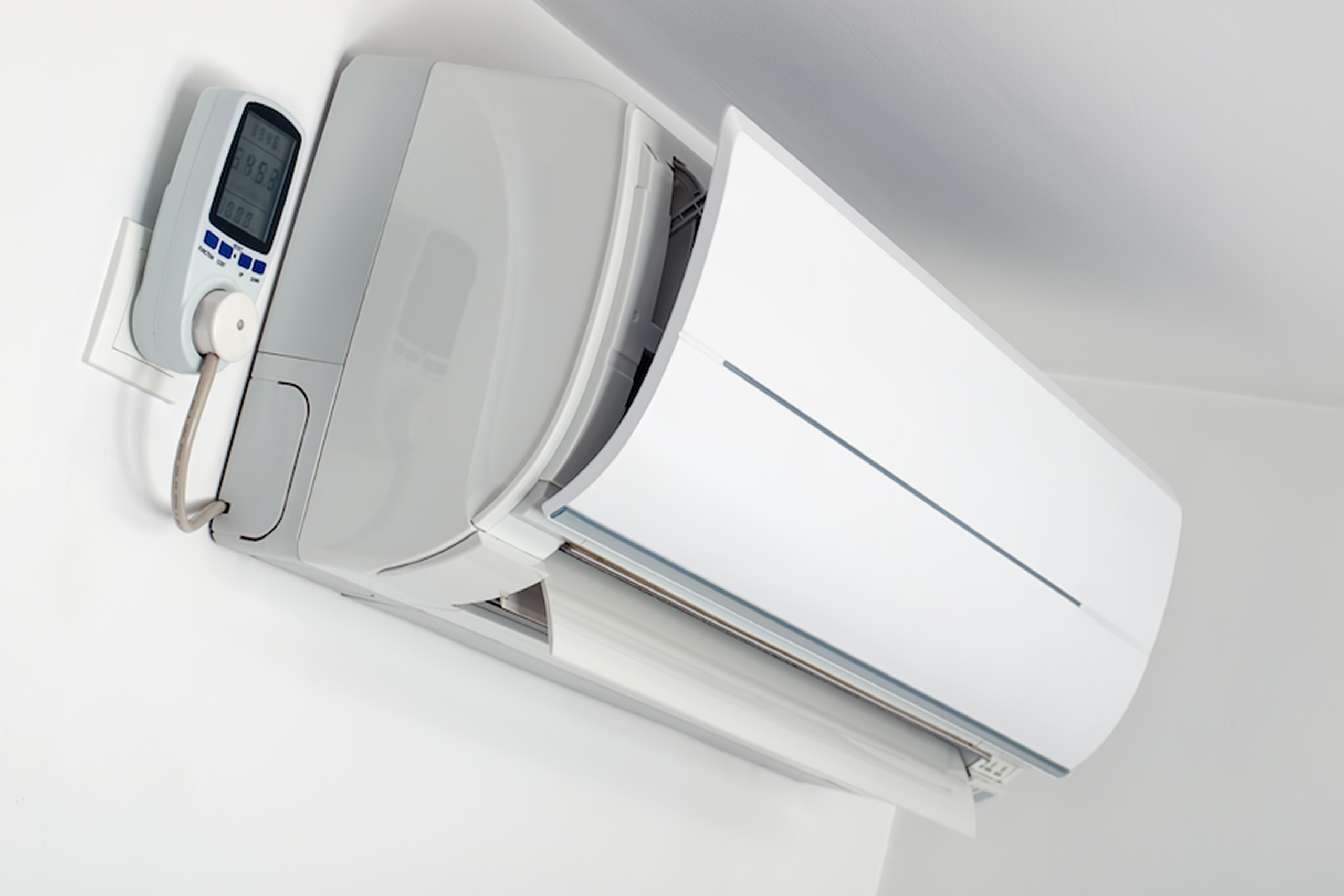
Energy efficiency should always be a priority when learning how to choose the right AC unit for your home. Modern systems are far more efficient than older models, but performance can vary significantly between brands and designs.
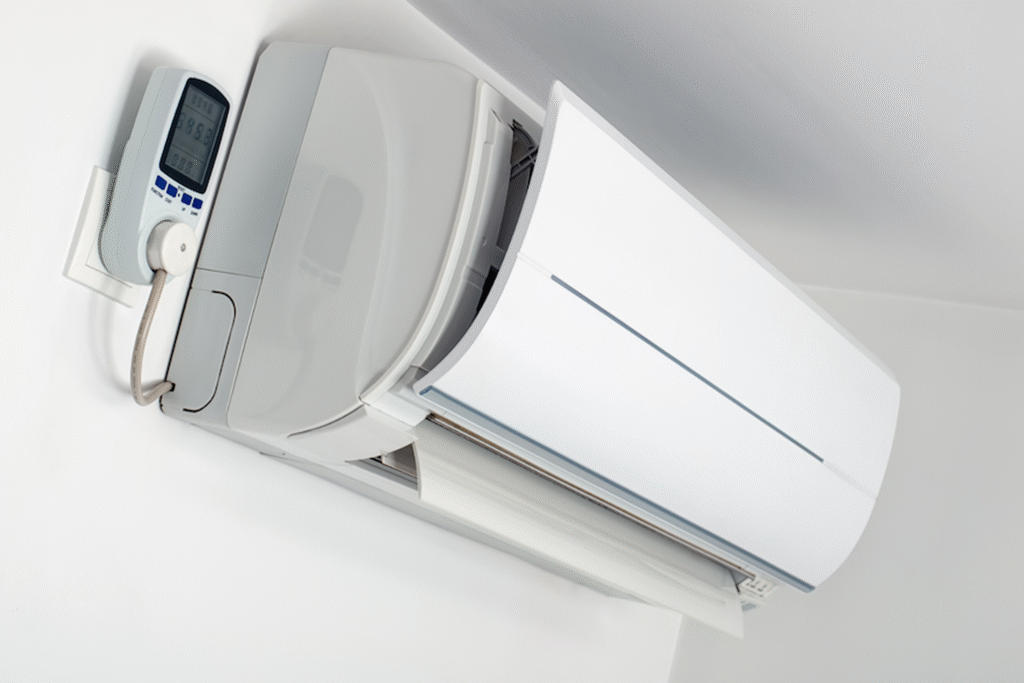
High energy ratings reduce electricity usage, lower monthly bills, and minimise environmental impact. Over time, investing in an efficient system often costs less than choosing a cheaper, inefficient alternative.
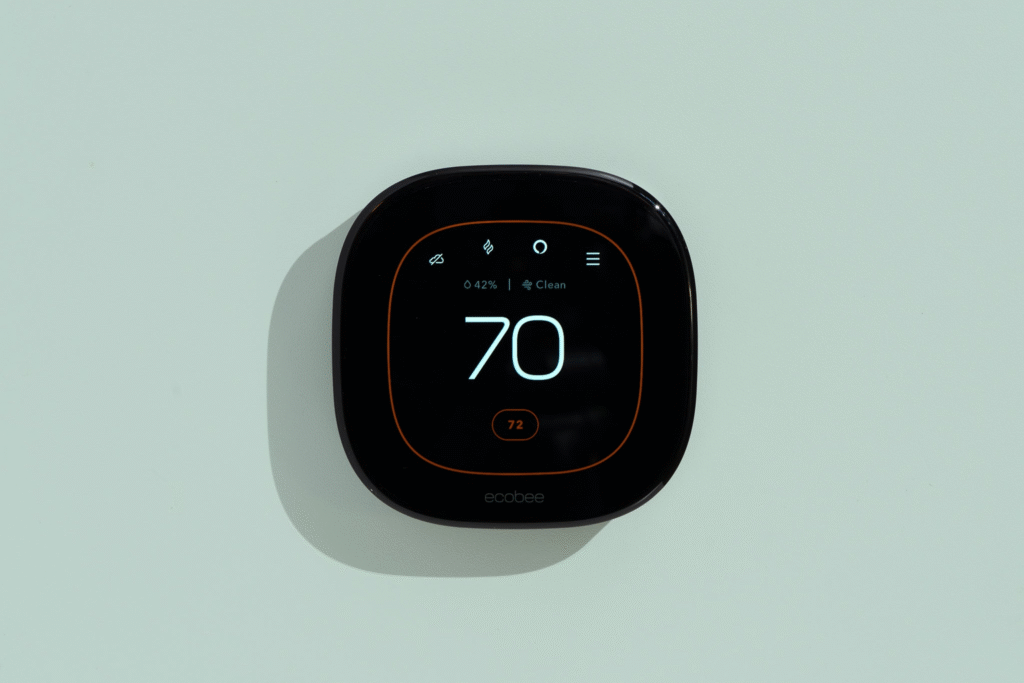
Smart thermostats and inverter technology further improve efficiency by adjusting output based on real-time demand.
Noise Levels and Comfort Considerations
Noise is often overlooked until after installation. Bedrooms, home offices, and living spaces require quiet operation for comfort and productivity. Modern systems are designed to operate quietly, but specifications vary.
When deciding how to choose the right AC unit for your home, check indoor and outdoor noise ratings carefully. Poor placement or low-quality units can cause disruptive background noise, particularly at night.
How Insulation Affects AC Performance
Insulation plays a major role in cooling efficiency. Well-insulated homes retain cool air longer, reducing strain on the system. Poor insulation forces AC units to work harder, increasing energy consumption and wear.
Before finalising how to choose the right AC unit for your home, consider improving insulation or sealing air leaks. This allows smaller systems to perform effectively and saves money long-term.
Choosing the Right AC Unit for Older Homes
Older properties often present unique challenges. Solid walls, limited cavity space, and outdated wiring can affect installation options. In these cases, split or multi-split systems are usually more practical than ducted solutions.
Understanding property limitations helps homeowners make realistic decisions when learning how to choose the right AC unit for your home without unnecessary installation costs.
Smart Features and Modern Technology
Technology has transformed air conditioning systems. Wi-Fi connectivity, smart controls, and zoning allow users to manage temperature efficiently across different rooms.
Smart features improve comfort while reducing wasted energy. When considering how to choose the right AC unit for your home, modern controls can significantly enhance daily usability and long-term efficiency.
Environmental Impact and Refrigerants
Sustainability is increasingly important when selecting air conditioning. New systems use environmentally safer refrigerants that reduce greenhouse gas emissions while maintaining performance.
Homeowners concerned about environmental impact should prioritise modern refrigerant systems and high efficiency ratings when deciding how to choose the right AC unit for your home.
Installation Quality Matters More Than Brand
Even the best system will underperform if installed incorrectly. Proper sizing, placement, and calibration are essential for efficiency and lifespan.
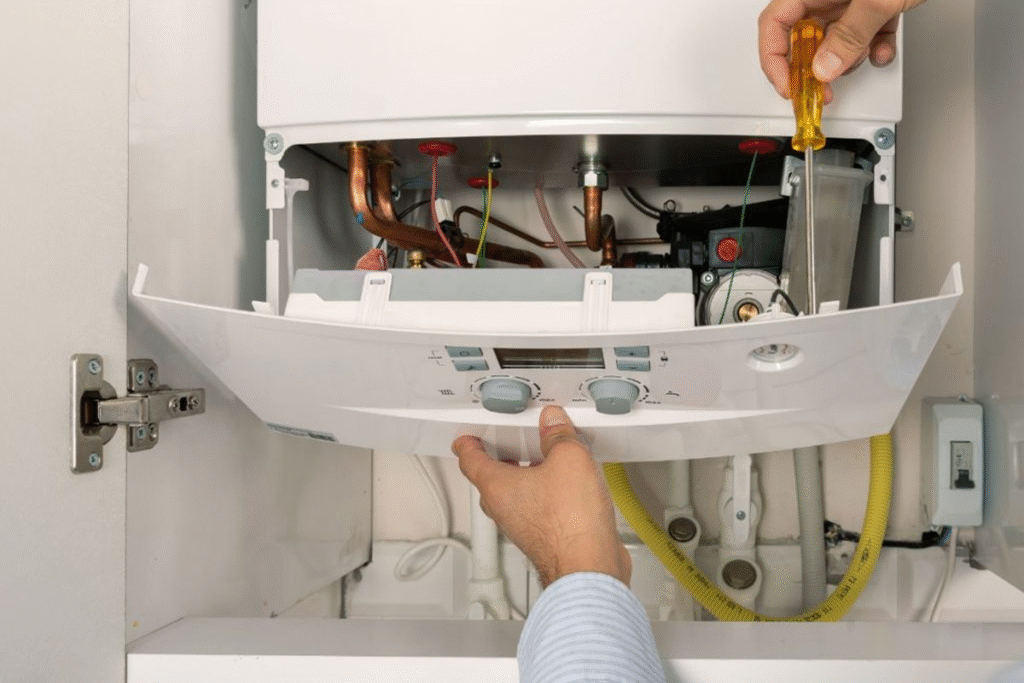
Professional installation ensures the system operates as intended and complies with regulations. This is a critical step in understanding how to choose the right AC unit for your home and protecting your investment.
Maintenance and Long-Term Reliability
Routine maintenance keeps air conditioning systems efficient and reliable. Cleaning filters, checking refrigerant levels, and inspecting components prevent breakdowns and extend system life.
When choosing an AC unit, consider service availability and warranty coverage. Reliable maintenance support simplifies ownership and reduces unexpected costs.
Planning for Future Needs
Lifestyle changes can increase cooling demand over time. Home extensions, loft conversions, or working from home can all impact system requirements.
Scalable systems provide flexibility, allowing homeowners to adapt without replacing the entire setup. Thinking ahead is an important part of how to choose the right AC unit for your home.
Cost vs Value When Choosing an AC Unit
Initial cost is only part of the decision. Running costs, maintenance, efficiency, and lifespan all contribute to overall value.
Cheaper systems may cost more over time due to inefficiency or frequent repairs. Balancing price and performance ensures you make a sound decision when learning how to choose the right AC unit for your home.
Final Thoughts on How to Choose the Right AC Unit for Your Home
Choosing air conditioning should never be rushed. Each home has unique requirements, and the right system balances comfort, efficiency, and reliability.
By understanding system types, energy efficiency, insulation, installation quality, and future needs, homeowners can confidently decide how to choose the right AC unit for your home without regret.
A well-chosen system improves comfort, reduces energy bills, and adds long-term value to your property.