
For decades, air conditioning has been considered unnecessary in Britain. Mild summers, cool evenings, and frequent rain meant most UK homes relied on opening windows or using fans during warmer months. However, rising summer temperatures and longer heatwaves have led many homeowners to ask an important question: Do UK homes really need air conditioning?
As climate patterns shift and modern homes retain more heat, indoor comfort is becoming a serious concern. This article explores whether air conditioning is becoming a practical requirement in the UK, examining climate change, housing design, health impacts, energy efficiency, costs, and alternative cooling solutions.
Do UK Homes Really Need Air Conditioning Because the Climate Is Changing?
The UK climate is no longer as predictable as it once was. In recent years, the country has experienced record-breaking summer temperatures, with prolonged heatwaves affecting large parts of England, Wales, and even Scotland. These changes have led many homeowners to reconsider their cooling options and ask: Do UK homes really need air conditioning in today’s climate?
While extreme heat was once rare, it is now becoming more frequent. Homes that were designed for cooler conditions struggle to cope during prolonged hot spells, especially when nighttime temperatures remain high.
Why UK Homes Overheat More Than Before
Modern building standards focus heavily on energy efficiency, reducing heat loss during winter. Improved insulation, airtight construction, and double or triple glazing help keep homes warm—but they can also trap heat in summer.
As a result, internal temperatures can rise quickly and remain uncomfortable for extended periods. This design shift is one of the key reasons homeowners are increasingly asking whether UK homes really need air conditioning to maintain livable indoor temperatures.
Do UK Homes Really Need Air Conditioning in Urban Areas?
Urban environments experience higher temperatures due to the “urban heat island” effect. Concrete, asphalt, and dense housing absorb heat during the day and release it slowly at night. This makes city homes significantly warmer than rural properties.
In flats and terraced houses with limited airflow, opening windows often provides little relief. For city dwellers, the question of whether UK homes really need air conditioning is becoming increasingly relevant.
The Impact of Heat on Health and Wellbeing
Excessive indoor heat is not just uncomfortable—it can be dangerous. High temperatures can lead to dehydration, fatigue, headaches, and sleep disruption. Vulnerable individuals, including the elderly, young children, and those with medical conditions, are particularly at risk.
During heatwaves, maintaining safe indoor temperatures becomes essential. For many households, this raises the question of whether air conditioning should be viewed as a health safeguard rather than a luxury.
Do UK Homes Really Need Air Conditioning for Better Sleep?
Sleep quality is one of the most common reasons homeowners consider installing air conditioning. Bedrooms that remain above 24°C can interfere with sleep cycles, leading to poor rest and reduced daytime productivity.
Even short periods of sleep disruption can have long-term effects on wellbeing. For people working from home or dealing with ongoing fatigue, the ability to control indoor temperatures becomes increasingly valuable.
Traditional Cooling Methods in UK Homes
Before investing in air conditioning, many households rely on traditional cooling methods, such as:
Opening windows during cooler evenings
Using electric fans
Installing blackout curtains or blinds
Limiting appliance use during the day
While these methods help during mild warmth, they often fall short during sustained heatwaves. This limitation is why more people are reconsidering whether UK homes really need air conditioning.
Portable vs Fixed Air Conditioning Systems
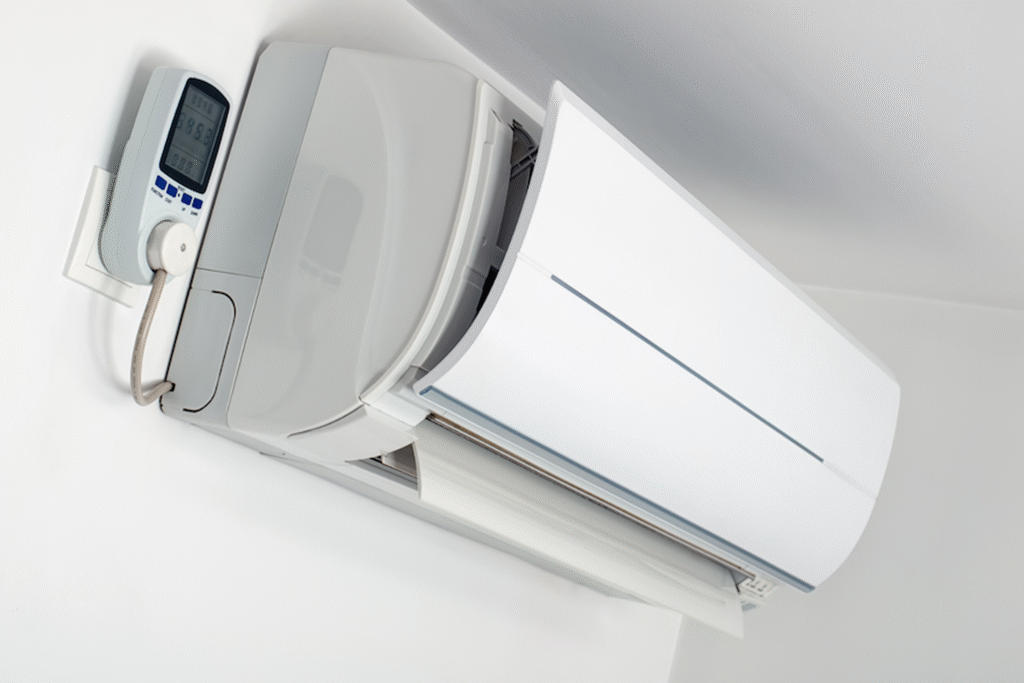
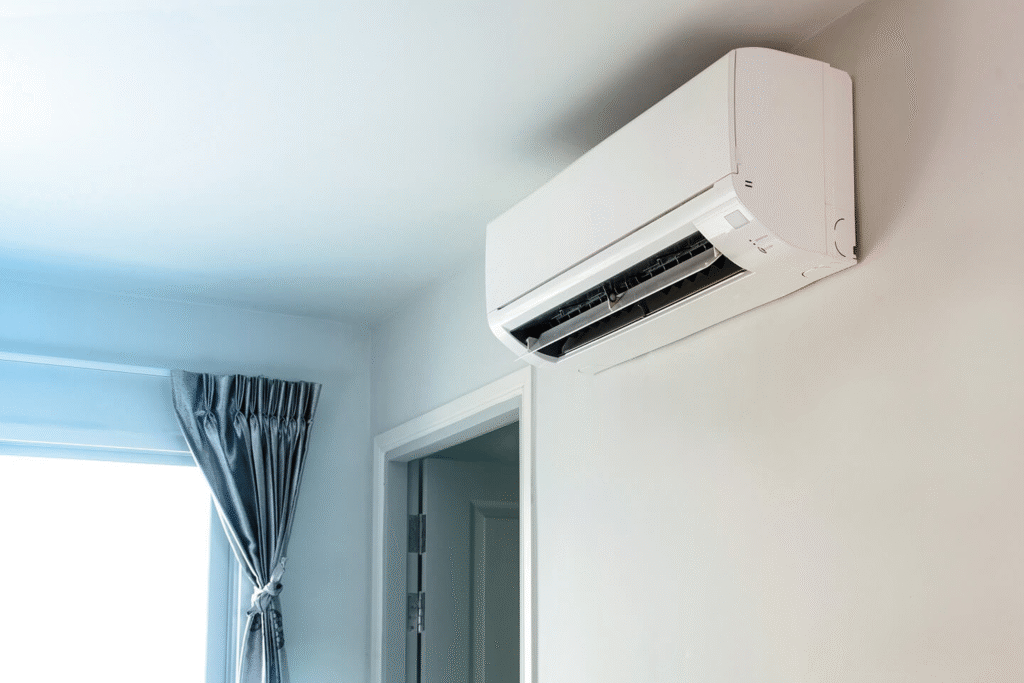
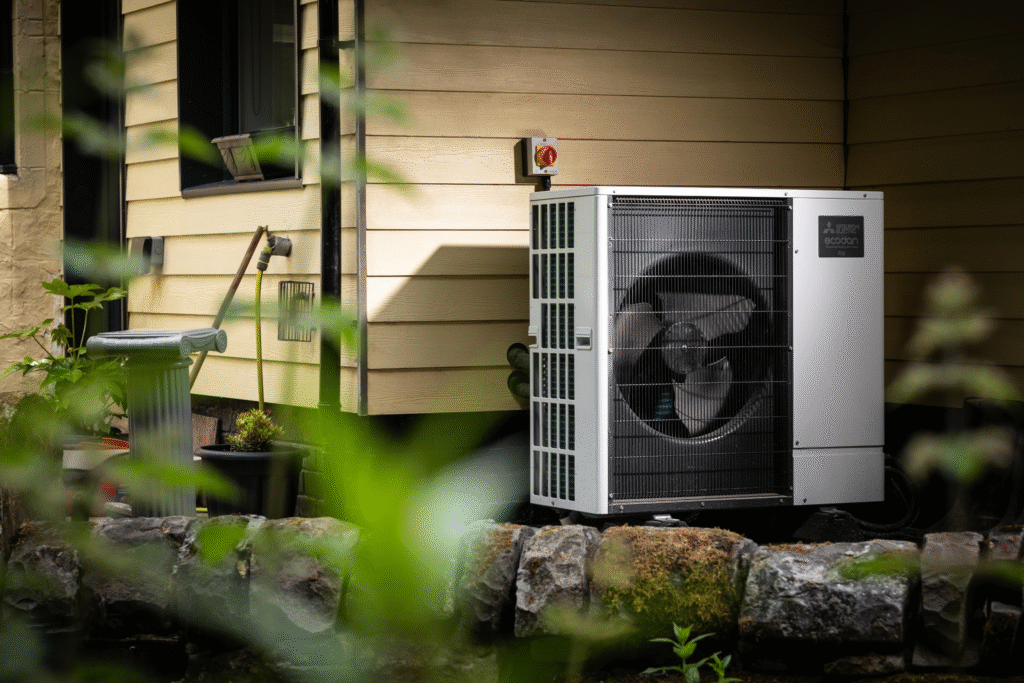
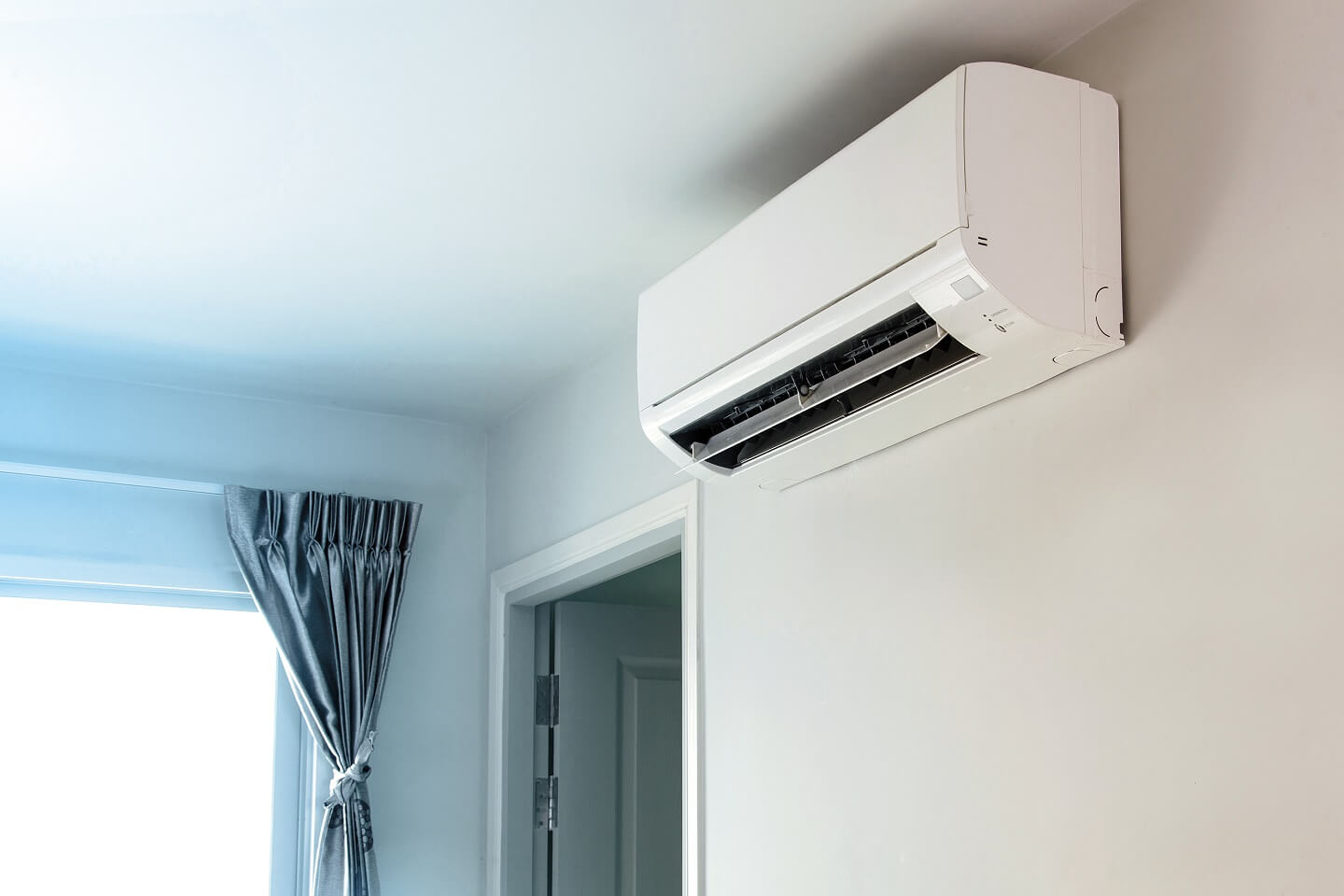
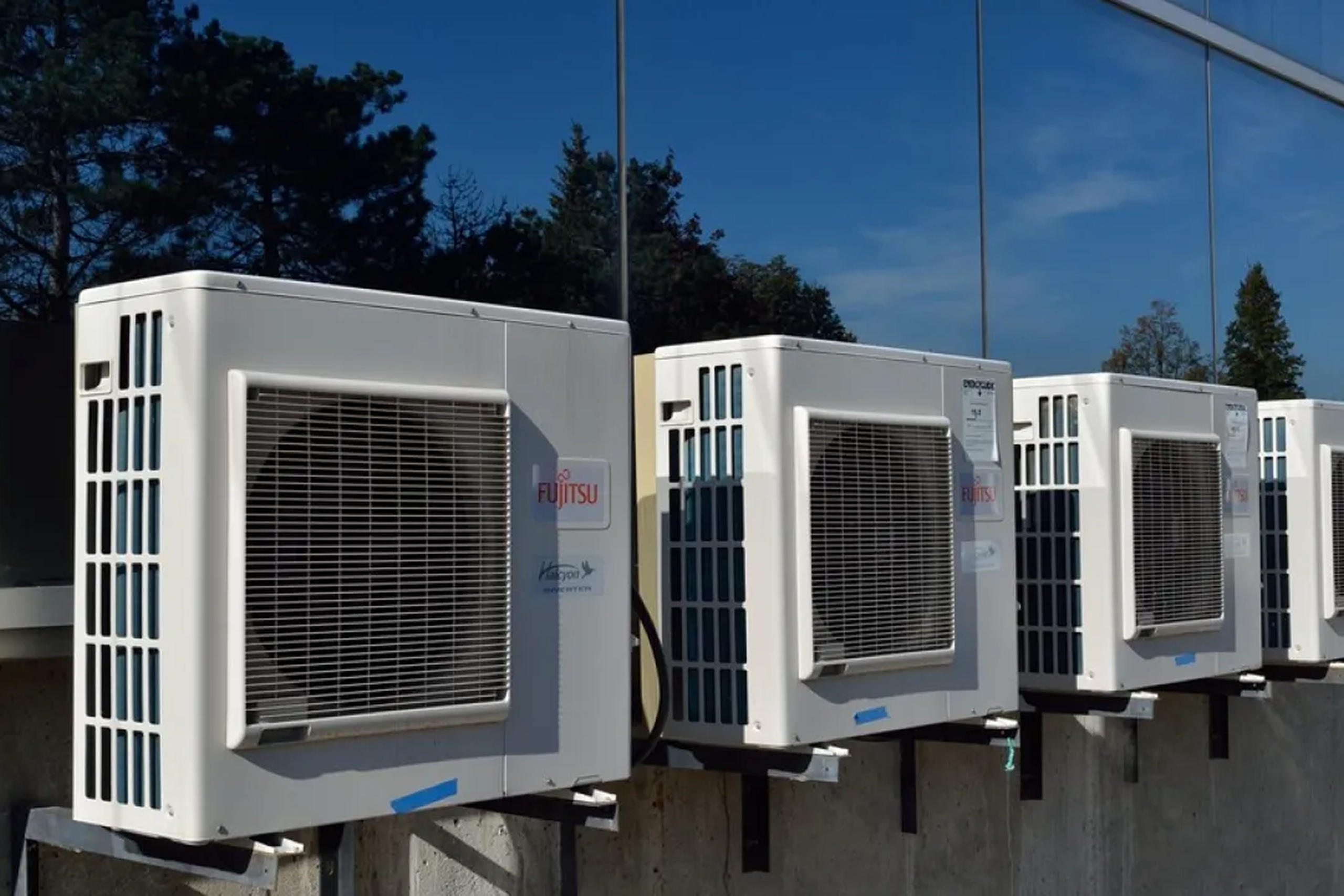
If cooling becomes necessary, homeowners usually choose between portable and fixed systems. Portable units are cheaper upfront and require minimal installation but are often noisy and less efficient. Fixed split systems provide better cooling performance, quieter operation, and improved energy efficiency.
Understanding these differences helps homeowners decide whether air conditioning is a temporary solution or a long-term investment.
Energy Efficiency and Modern Air Conditioning Technology
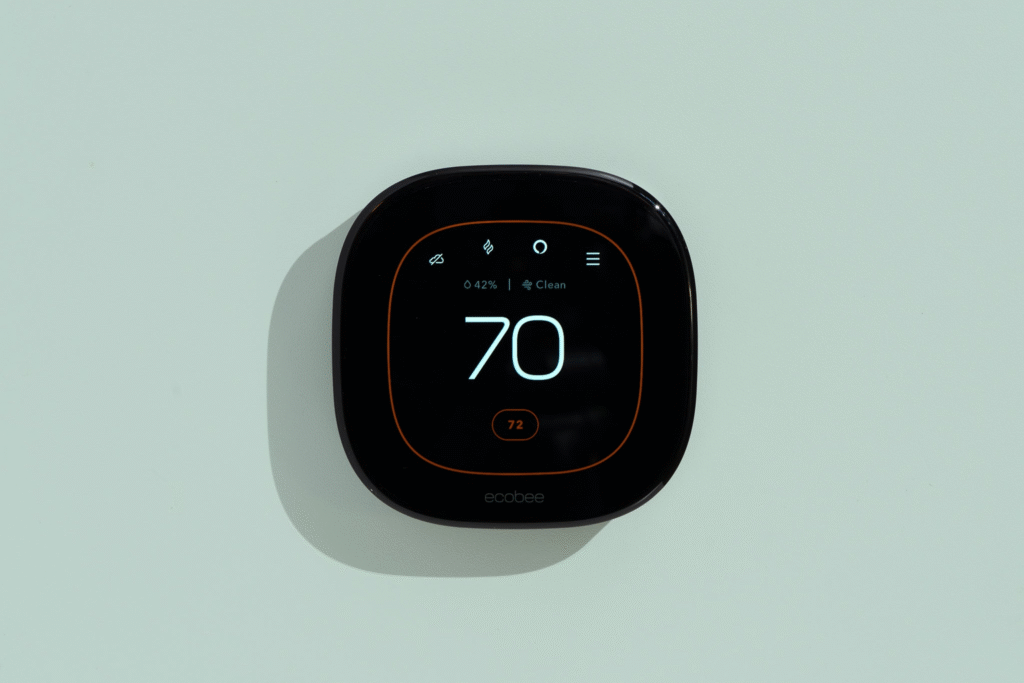
One concern many people have is energy usage. Older air conditioning systems were inefficient and expensive to run. However, modern systems are far more efficient, using inverter technology to regulate power consumption.
Some systems also function as air-to-air heat pumps, providing efficient heating in winter. This dual functionality can offset installation costs over time.
Do UK Homes Really Need Air Conditioning from an Environmental Perspective?
Environmental impact is an important consideration. Air conditioning increases electricity demand, which can contribute to carbon emissions. However, advancements in refrigerants and efficiency standards have significantly reduced environmental harm.
When paired with renewable energy sources such as solar panels, air conditioning can be operated more sustainably. Responsible use plays a key role in balancing comfort and environmental responsibility.
Home Design and Orientation
South-facing homes with large windows receive more sunlight throughout the day, making them more prone to overheating. Flats on higher floors also experience higher temperatures, as heat rises.
For these properties, air conditioning may provide consistent comfort that natural ventilation cannot achieve.
Do UK Homes Really Need Air Conditioning for Property Value?
Air conditioning is still relatively uncommon in UK residential properties, but buyer expectations are slowly changing. In high-end homes and urban apartments, air conditioning can be seen as a premium feature that improves market appeal.
While it may not significantly increase property value, it can help a home stand out in competitive markets.
Costs of Installing and Running Air Conditioning
Installation costs vary depending on system type, property size, and complexity. While the upfront cost can be significant, running costs are often lower than expected when systems are used selectively during peak heat.
Understanding long-term costs helps homeowners determine whether the investment aligns with their comfort needs.
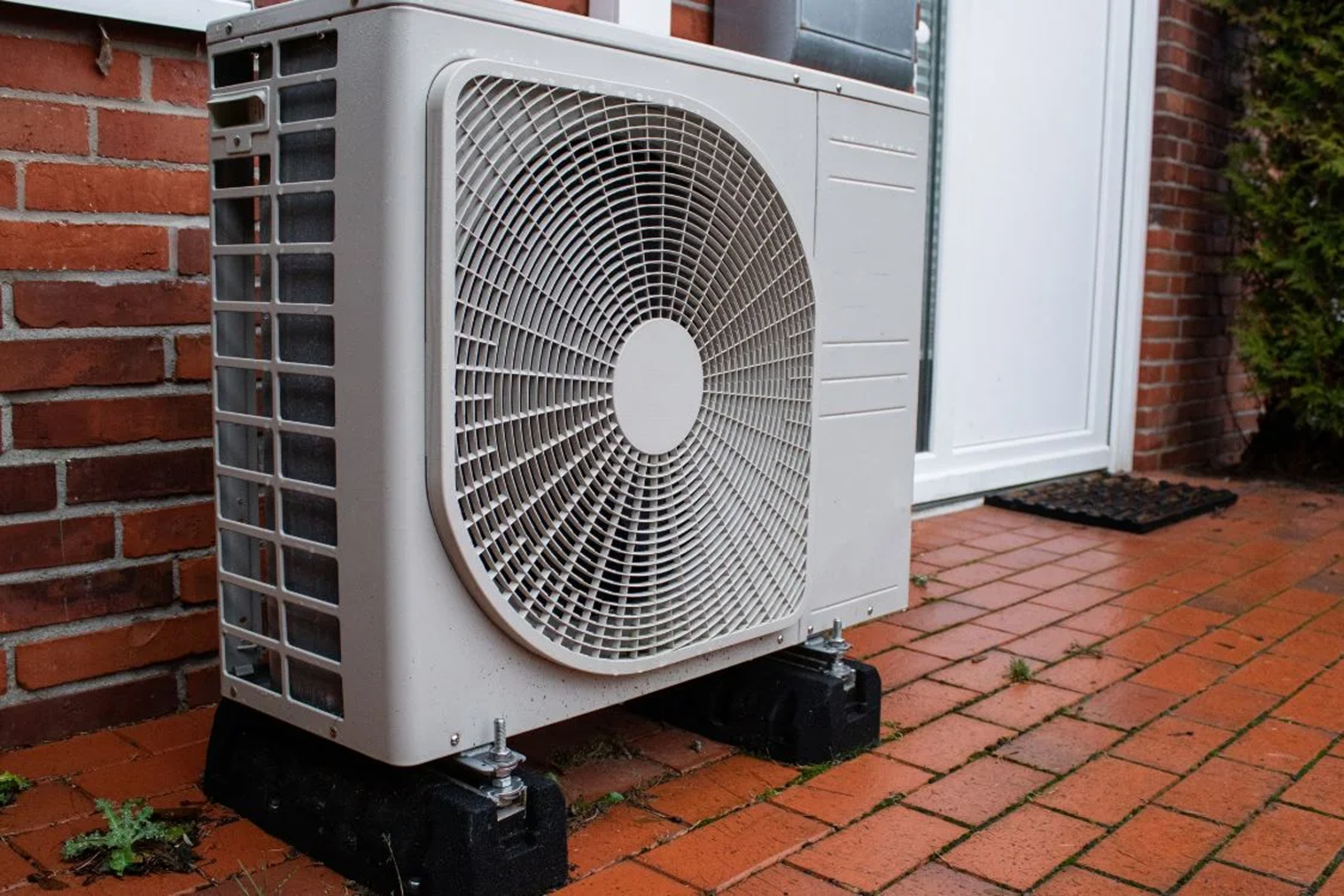
Maintenance Requirements and Longevity
Air conditioning systems require routine maintenance, including filter cleaning and periodic servicing. Proper maintenance ensures efficient operation, better air quality, and a longer lifespan.
Well-maintained systems can operate reliably for many years, making them a dependable solution during extreme weather.
Alternatives to Air Conditioning Worth Considering
Some homeowners explore alternatives such as:
Mechanical ventilation with heat recovery (MVHR)
Improved shading and window films
Passive cooling design upgrades
These solutions can reduce indoor temperatures but may not fully eliminate overheating during severe heatwaves.
Do UK Homes Really Need Air Conditioning in the Future?
Climate projections suggest warmer summers will continue in the UK. Building regulations are evolving to address overheating, but many existing homes will still struggle during extreme heat.
As a result, air conditioning—or other mechanical cooling solutions—may become more common in residential settings.
Making the Right Decision for Your Home
There is no universal answer. Some households will manage comfortably with fans and ventilation, while others will benefit significantly from air conditioning. Factors such as location, property design, health needs, and personal comfort all play a role.
Final Thoughts on Do UK Homes Really Need Air Conditioning?
So, do UK homes really need air conditioning? For many households, it is no longer an unnecessary luxury but a practical response to changing climate conditions and modern housing design. While not essential for every property, air conditioning is becoming a sensible option for those experiencing persistent overheating.
As UK summers grow warmer, cooling solutions will likely become part of a balanced approach to year-round home comfort.