
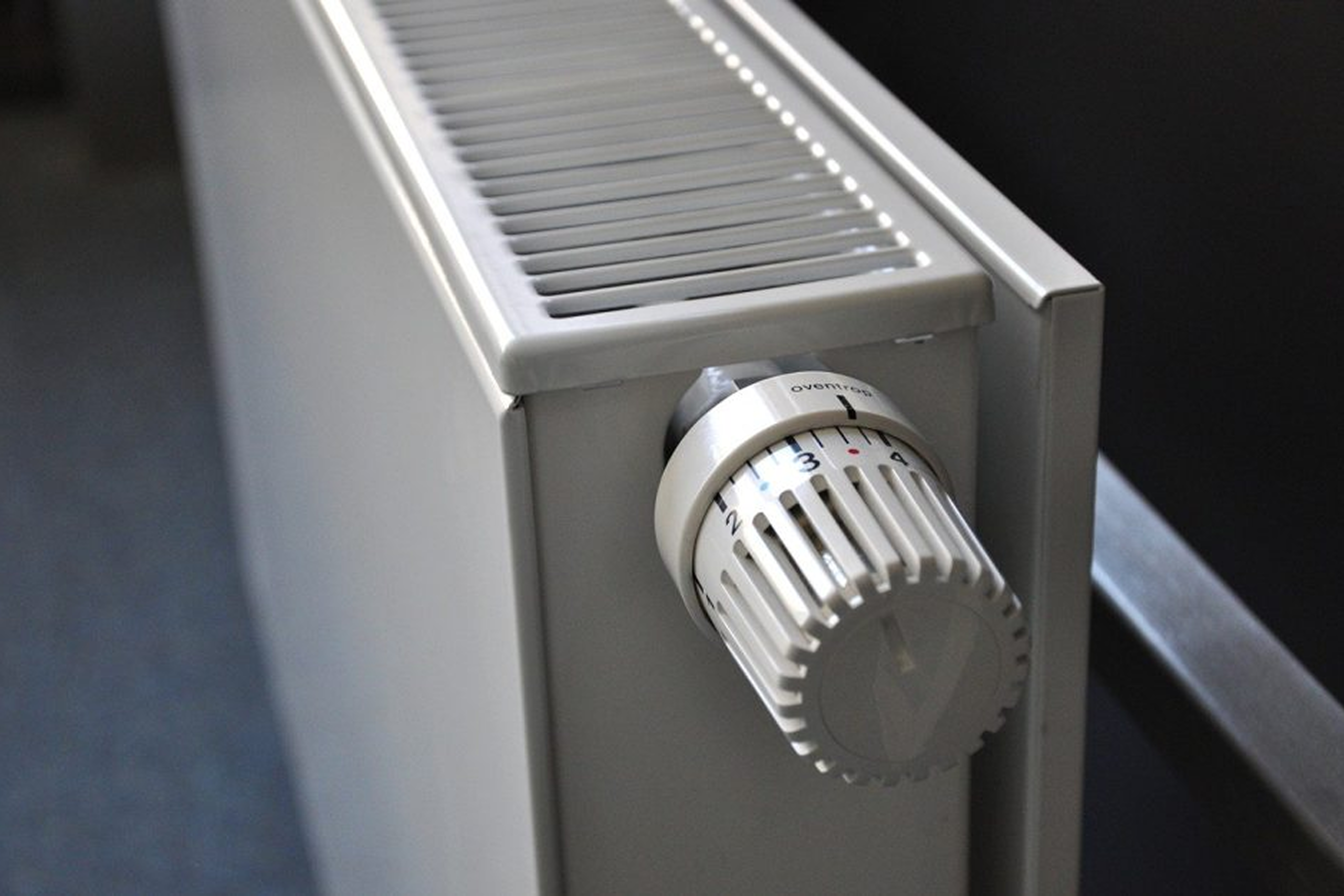
When Radiators Get Cold at the Bottom, it’s a common but often overlooked sign that your central heating system isn’t working efficiently. While the top of the radiator may feel warm, the bottom remains cool, leaving rooms underheated and causing the boiler to work harder. Understanding why this happens is the first step in diagnosing the issue and restoring consistent heat throughout your home.
In this article, we’ll explore the main causes of why radiators get cold at the bottom, explain the risks of leaving the problem unresolved, and provide practical solutions to restore your heating system’s efficiency.
What It Means When Radiators Get Cold at the Bottom
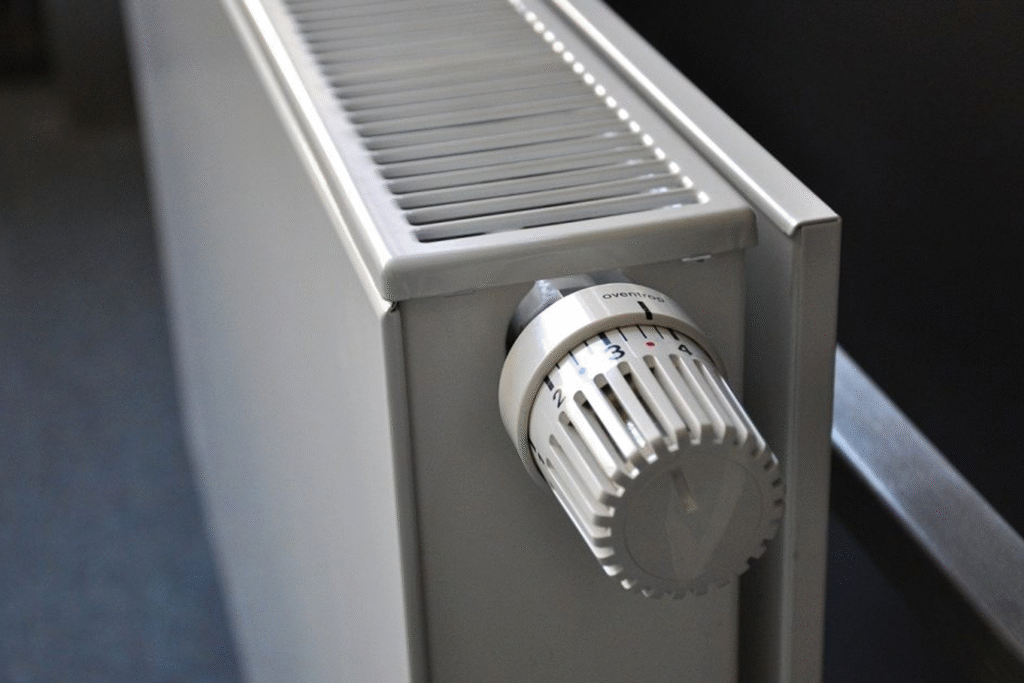
If your radiators feel warm at the top but cold at the base, hot water is entering the radiator but failing to circulate evenly. This can result in uneven heating across the room, with the lower section of the radiator remaining cool. Not only does this reduce comfort, but it also places additional strain on your boiler as it works harder to maintain the desired temperature.
Several factors can cause this problem, from sludge buildup to circulation issues. Identifying the root cause is key to implementing the right solution.
Sludge Buildup: The Main Reason Radiators Get Cold at the Bottom
The most common reason why radiators get cold at the bottom is sludge buildup. Over time, metal components within the heating system corrode, and rust, limescale, and debris combine to form sludge. Because sludge is heavy, it settles at the bottom of the radiator, obstructing the flow of hot water.
When this occurs, the radiator may heat unevenly, with the top section feeling warm while the bottom stays cold. Sludge can also lead to noisy pipes and reduce the overall efficiency of your heating system.
How Corrosion Contributes to Radiators Getting Cold at the Bottom
Corrosion occurs when oxygen enters the heating system, typically through refilling or minor leaks. This can create black magnetite deposits inside the radiator, which accumulate at the base. As these deposits grow, the lower part of the radiator becomes increasingly blocked, which is why radiators get cold at the bottom despite repeated heating.
Without corrosion inhibitors, older systems are particularly susceptible, and the problem tends to worsen over time.
Poor Circulation and Its Effect on Radiator Heating
Another major cause of uneven heat distribution is poor circulation. If your system has a weakened pump, restricted pipes, or poor design, water will not flow effectively through all radiators. Radiators located further from the boiler or those with more complex pipework may therefore get cold at the bottom.
Proper water flow is essential to maintaining consistent heating, and circulation problems often require professional assessment.
Why Bleeding the Radiator Alone Doesn’t Solve the Problem
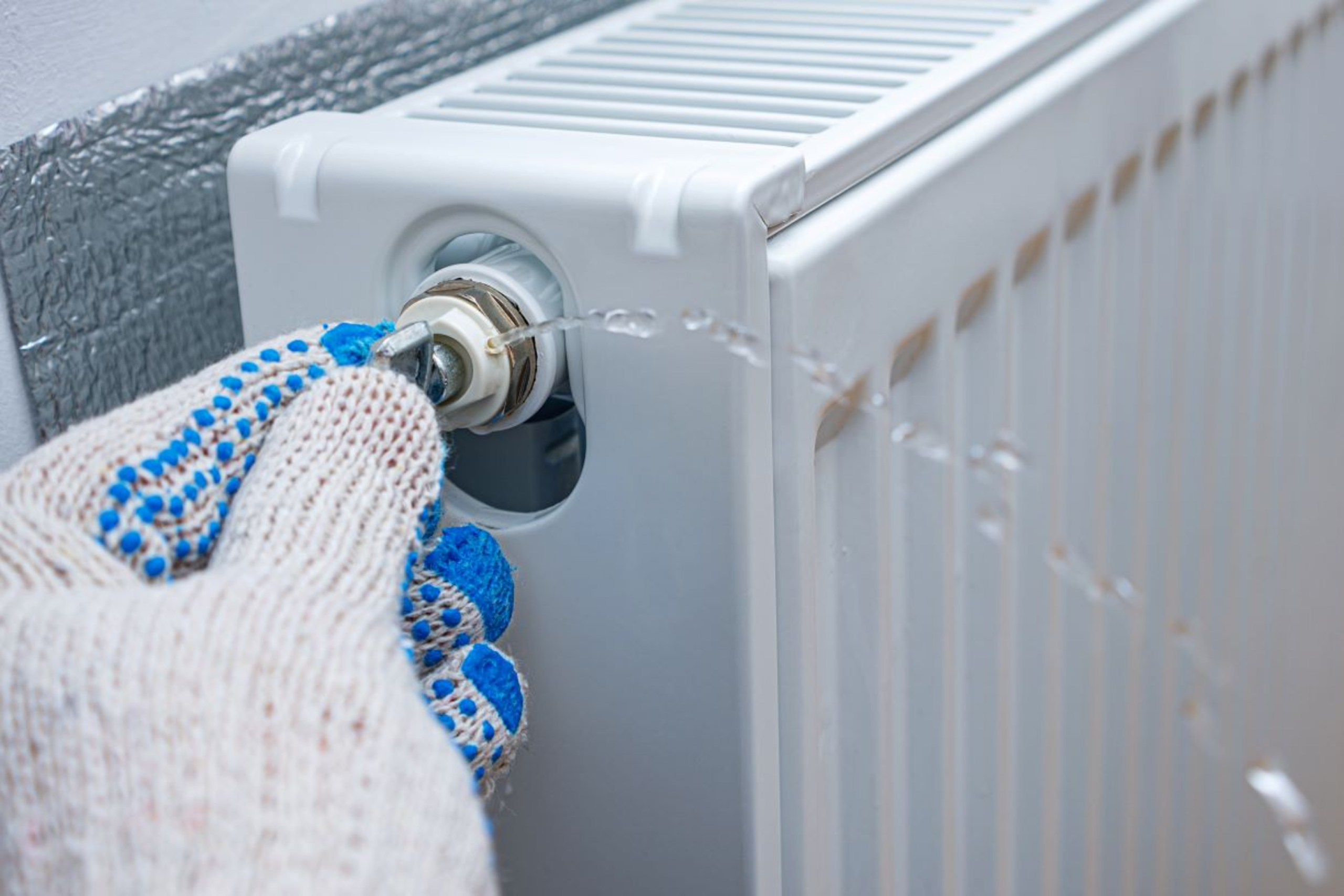
Bleeding a radiator removes trapped air, which can cause cold spots at the top. However, if radiators get cold at the bottom, air is not the cause. Bleeding will not clear sludge or debris that blocks water flow. Therefore, while bleeding can improve overall performance, it will not fix this specific issue.
How Older Systems Are More Prone to Radiators Getting Cold at the Bottom
Older heating systems tend to lack modern protective measures such as magnetic filters and corrosion inhibitors. As a result, debris and sludge accumulate faster, and radiators get cold at the bottom more frequently. Aging radiators and pipework can also contribute to uneven heat distribution, making maintenance even more critical.
The Seasonal Impact: Why Radiators Get Cold at the Bottom in Winter
During winter, central heating systems are under heavy use. The increased demand can stir settled debris and highlight circulation weaknesses. This is why radiators get cold at the bottom more often during colder months. Cold weather doesn’t cause the issue, but it does make the problem more noticeable.
Power Flushing: A Solution for Radiators Getting Cold at the Bottom
A professional power flush is one of the most effective solutions when radiators get cold at the bottom. The process involves high-pressure water and chemical cleaners to remove sludge, rust, and debris from radiators, pipework, and the boiler.
Benefits of power flushing:
Restores even heat distribution
Improves boiler efficiency
Reduces energy bills
Extends system lifespan
For older or heavily contaminated systems, a power flush is often the best long-term solution.
Chemical Flushing: When It Can Help
Chemical flushing can address lighter cases of sludge and debris. While less powerful than a full power flush, chemical treatments can prevent minor blockages from becoming severe. However, if radiators get cold at the bottom persistently, a professional assessment and possibly a power flush are recommended.
Magnetic Filters: Preventing Radiators From Getting Cold at the Bottom
Magnetic filters are installed in the system to capture metal particles before they settle at the base of radiators. They are highly effective at preventing radiators from getting cold at the bottom, protecting both radiators and boiler components from internal damage. Combined with corrosion inhibitors, magnetic filters provide long-term protection.
System Imbalance and Uneven Heating
Even with clean radiators, poor system balancing can cause some radiators to receive too much hot water while others get too little. This imbalance is another reason why radiators get cold at the bottom. Proper balancing ensures consistent water flow and even heating throughout your home.
Boiler Issues That Can Cause Radiators to Get Cold at the Bottom
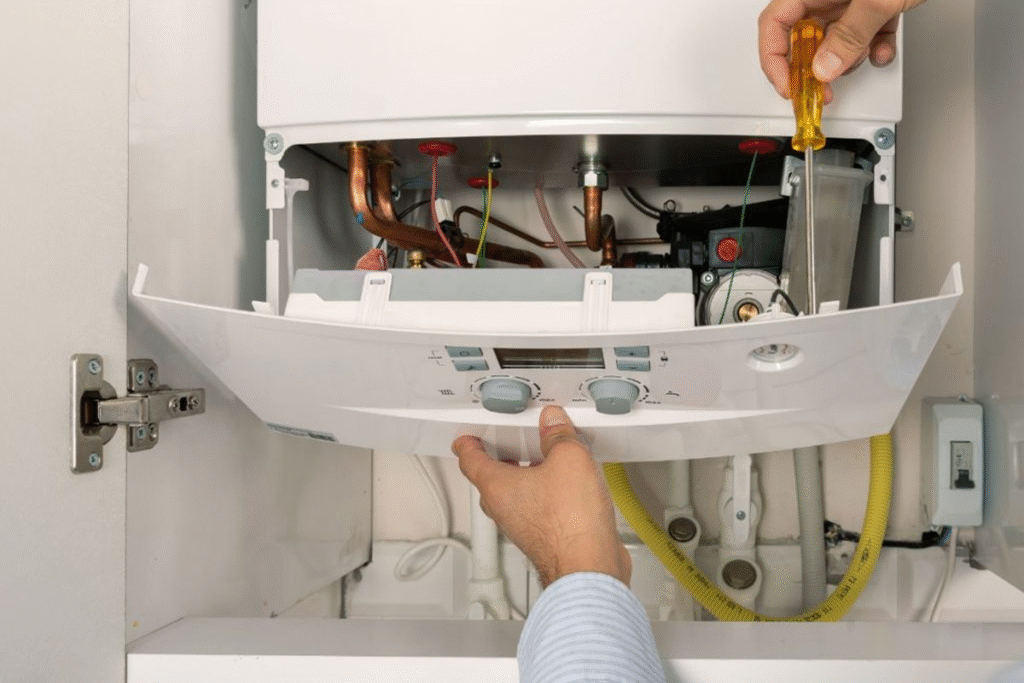
Faulty boiler components, such as circulation pumps or heat exchangers, may contribute to uneven heating. If several radiators are cold at the bottom simultaneously, the boiler itself may need inspection. Addressing these issues early prevents extensive system damage and reduces repair costs.
Warning Signs That Radiators Get Cold at the Bottom
Typical warning signs include:
Warm radiator tops with cold bases
Longer heating times
Noisy pipes or boiler
Dark water when radiators are drained
These indicate internal contamination or circulation problems that require professional attention.
Preventing Radiators From Getting Cold at the Bottom
Preventive measures are essential for long-term system efficiency:
Schedule annual boiler servicing
Use corrosion inhibitors in the system
Install magnetic filters
Perform periodic flushing as recommended
Regular maintenance significantly reduces the risk of radiators getting cold at the bottom.
When to Call a Professional
If radiators get cold at the bottom in multiple rooms, or the problem returns after basic maintenance, professional diagnosis is recommended. Early intervention prevents costly repairs and ensures your heating system operates efficiently.
Final Thoughts on Radiators Getting Cold at the Bottom
When radiators get cold at the bottom, it’s more than a comfort issue—it signals inefficiencies in your central heating system. Sludge buildup, poor circulation, corrosion, and system imbalance are common culprits. With the right maintenance, professional care, and preventive measures, this problem can be resolved, restoring even warmth and protecting your heating investment.