
The UK is undergoing one of the biggest heating transformations in modern history. Rising energy prices, stricter environmental standards, and government incentives are pushing homeowners to explore more sustainable heating options. As a result, more people want to understand The Future of Home Heating—specifically whether heat pumps or gas boilers will dominate the years ahead.
For decades, gas boilers have been the standard for British homes. They are powerful, affordable, and easy to maintain. But heat pumps have entered the spotlight as an eco-friendly, long-term solution. With efficiency rates up to 300% in some cases, they are rapidly reshaping The Future of Home Heating.
In this guide, we compare both systems in detail so you can choose the best option for comfort, cost-efficiency, and sustainability.
How Heat Pumps Work
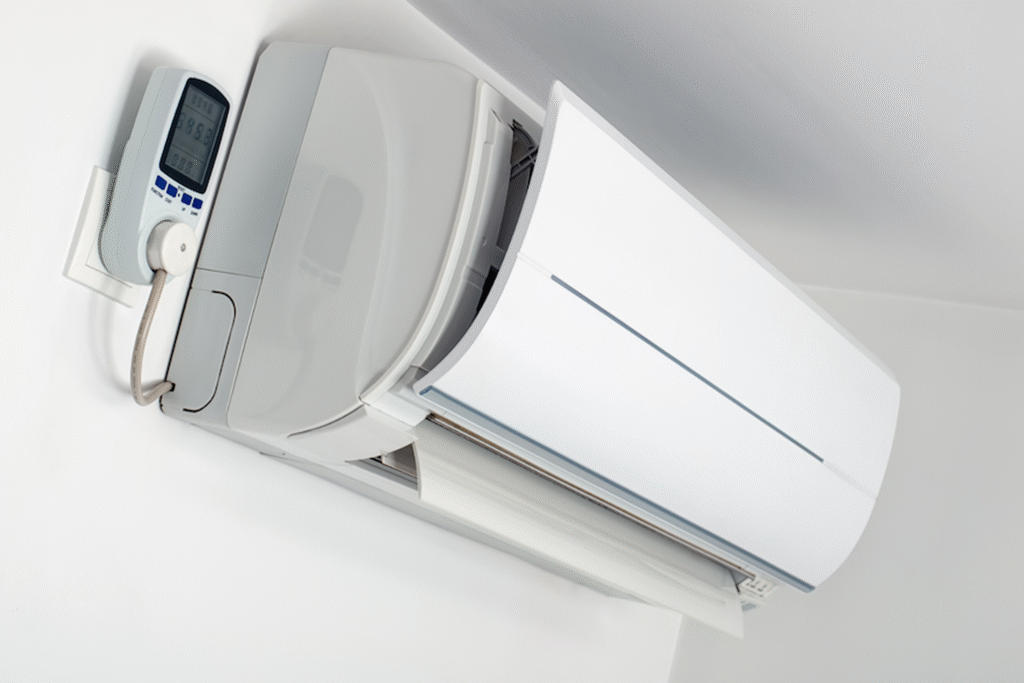
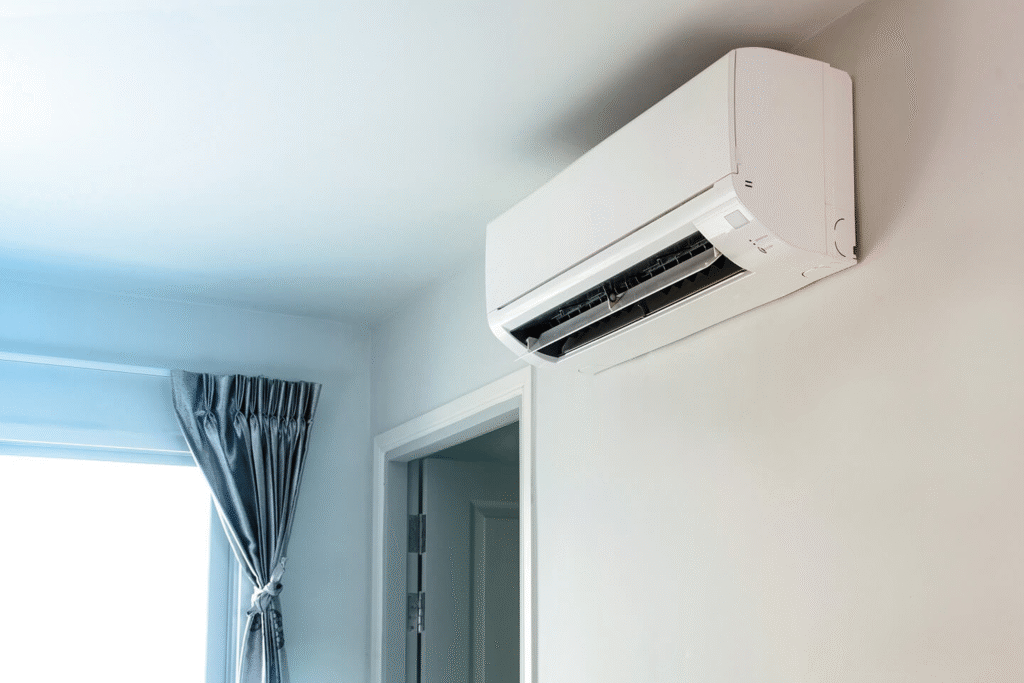
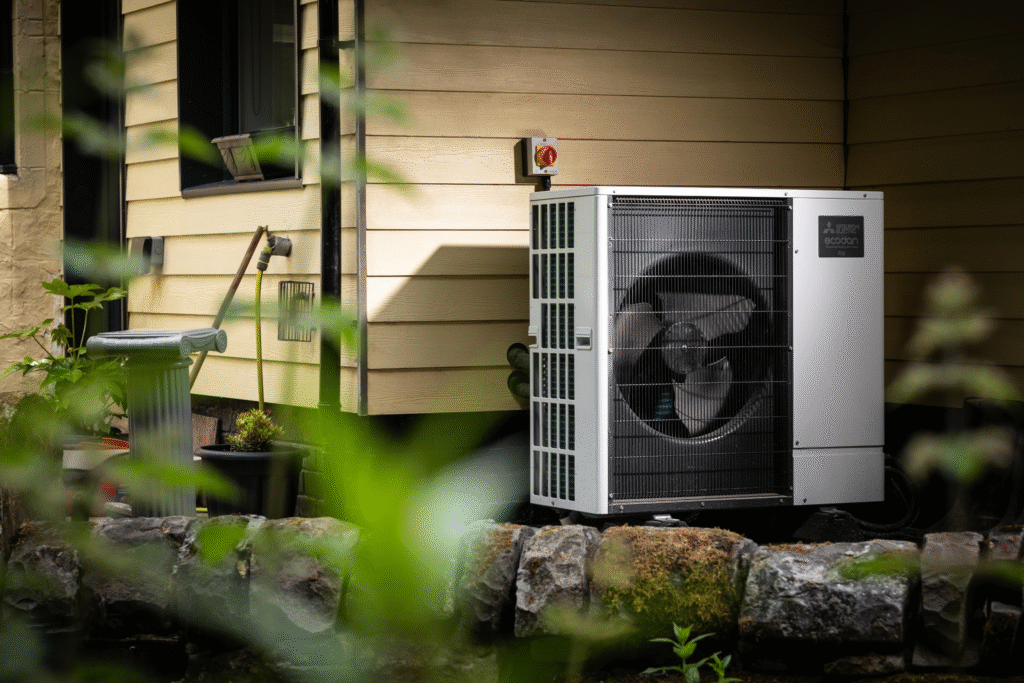
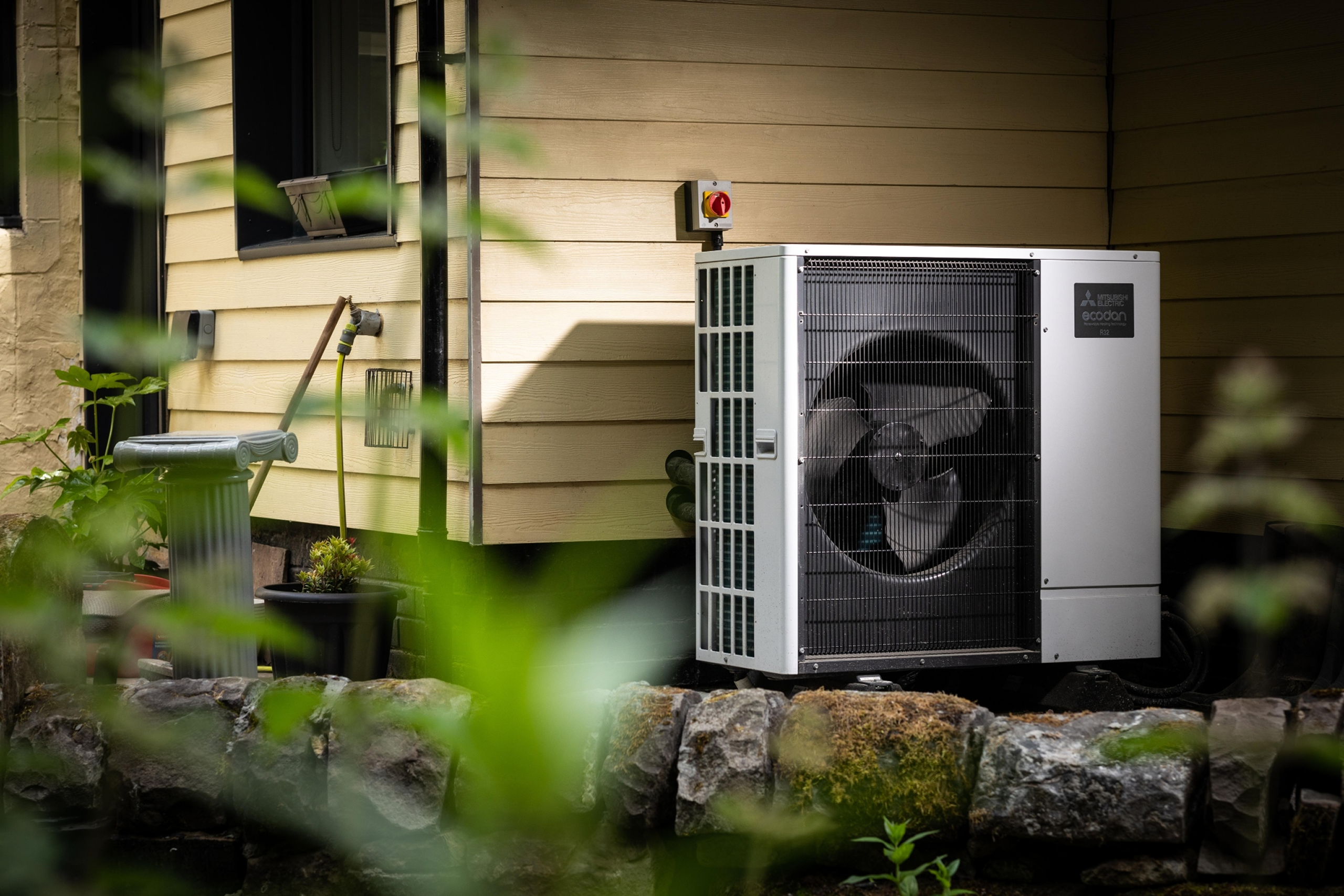
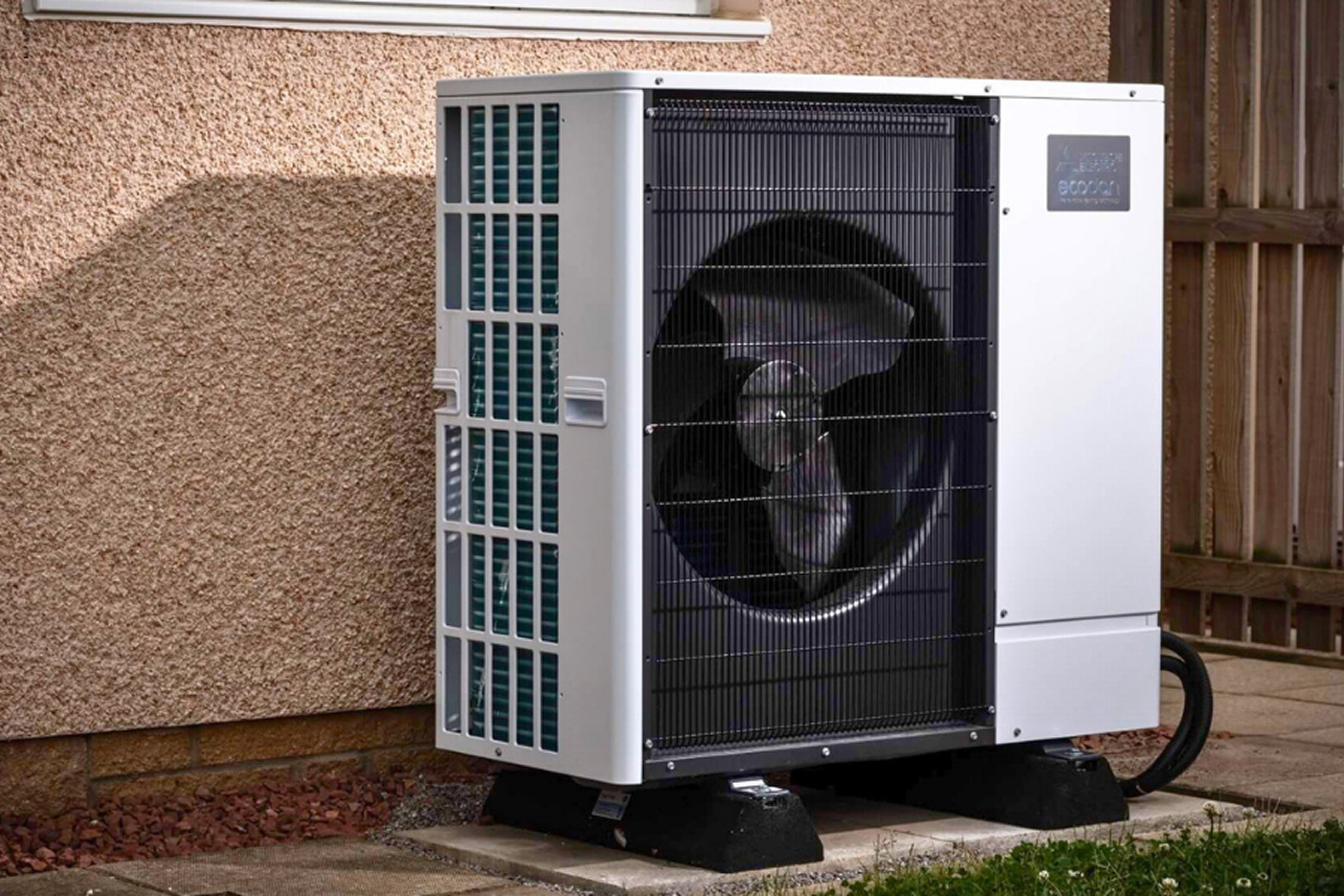
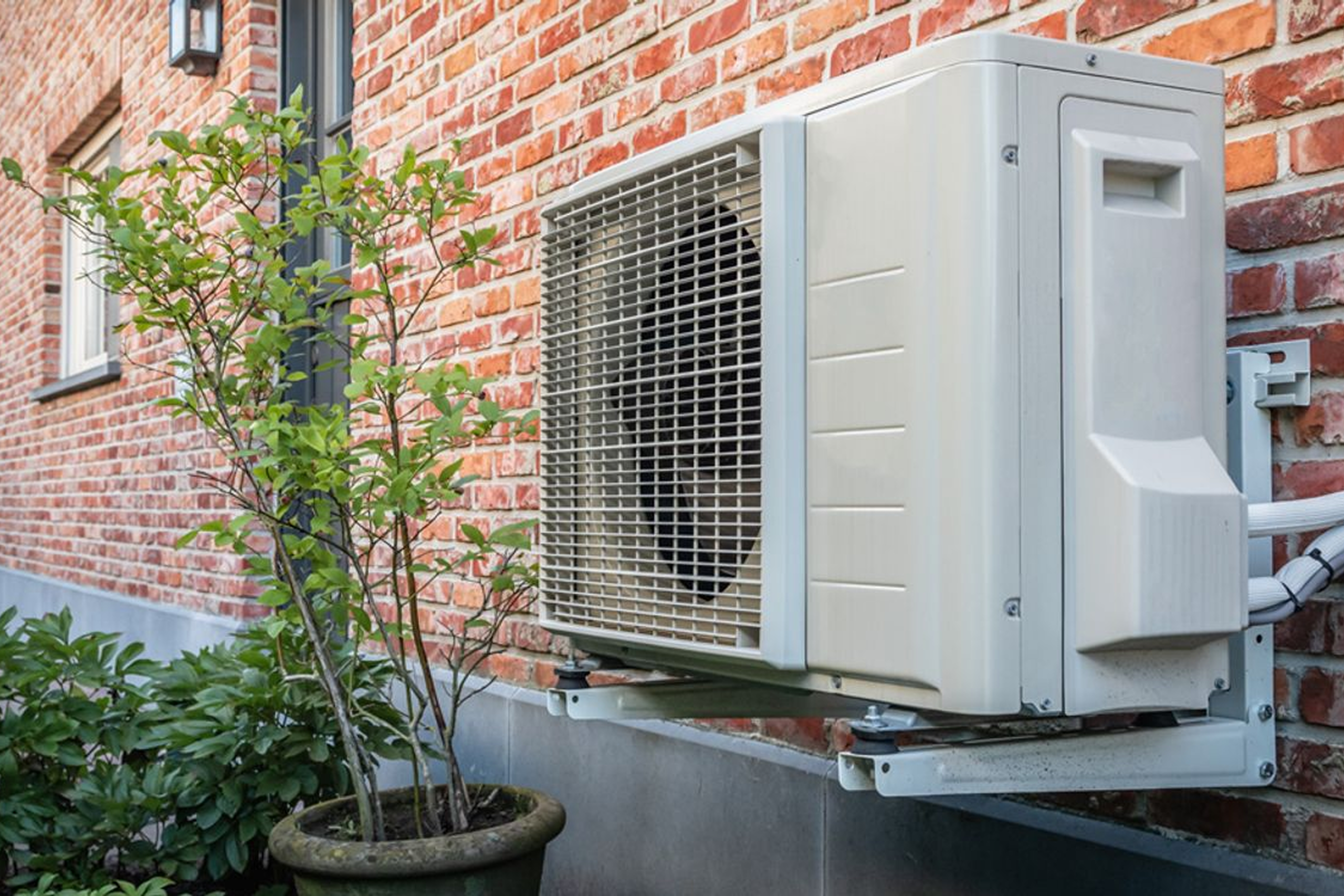
Heat pumps extract heat from the air or ground and transfer it into your home. Instead of burning fuel, they move heat, making them highly efficient. This technology is central to The Future of Home Heating because it dramatically reduces carbon emissions.
There are two main types:
Air source heat pumps (ASHP)
Ground source heat pumps (GSHP)
ASHP systems absorb heat from outdoor air—even in winter—while GSHP systems use underground loops.
Because they use electricity, they can run on renewable energy sources, making them essential to The Future of Home Heating strategies adopted by many countries.
How Modern Gas Boilers Work
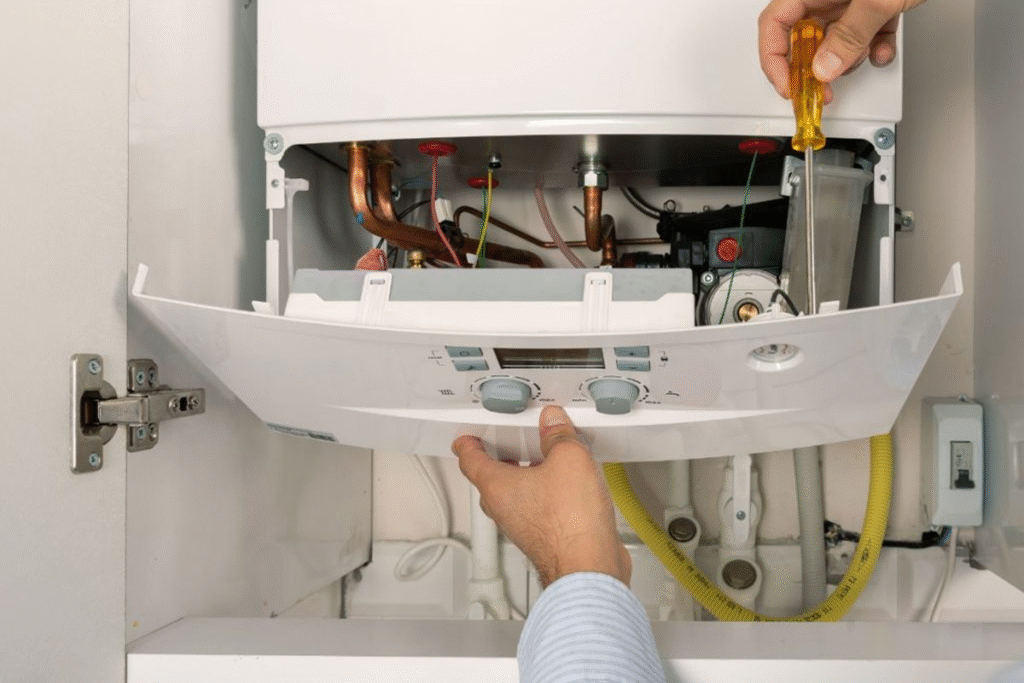
Gas boilers burn natural gas to heat water, which then circulates through radiators or underfloor systems. They deliver strong, instant heat—one reason they still dominate heating installations.
Condensing gas boilers, the most modern version, recover and reuse waste heat, increasing efficiency. While they are not as eco-friendly as heat pumps, they are significantly more affordable upfront.
Even as we move toward The Future of Home Heating, modern boilers remain popular due to their reliability and lower installation cost.
Installation Costs: Which System Is More Affordable?
Cost plays a major role in deciding the best option for your home. Understanding price differences helps homeowners navigate The Future of Home Heating more confidently.
Heat Pump Costs
Heat pumps typically cost:
Air Source: £6,000 – £12,000
Ground Source: £14,000 – £25,000
Homes may also require:
Upgraded radiators
Improved insulation
Larger hot water cylinders
Because of this, the upfront cost can be high. However, heat pumps qualify for various government grants, bringing them closer to becoming the mainstream choice in The Future of Home Heating.
Gas Boiler Costs
A new condensing gas boiler typically costs:
£1,500 – £3,500 installed
This is why gas boilers still appeal to homeowners, even though long-term running costs may be higher.
Running Costs and Energy Efficiency
Efficiency is one of the strongest reasons people reconsider their heating system.
Heat Pump Efficiency
Heat pumps can achieve 250%–400% efficiency, meaning:
For every 1 kWh of electricity used, they produce 2.5–4 kWh of heat.
This efficiency level is a major reason heat pumps represent The Future of Home Heating.
Gas Boiler Efficiency
Modern condensing boilers achieve 90%–94% efficiency.
They are efficient, but they cannot match the performance of heat pumps, especially in well-insulated homes.
Environmental Impact
From an environmental standpoint, heat pumps clearly dominate.
Heat Pumps and the Environment
Heat pumps release zero on-site emissions. In addition, if powered by renewable electricity, they can be nearly carbon-neutral.
This aligns perfectly with government plans for The Future of Home Heating, which include reducing reliance on fossil fuels.
Gas Boilers and Emissions
Gas boilers produce:
Carbon dioxide
Nitrogen oxides
Moisture and heat waste
While newer models are cleaner, they cannot match the low-carbon potential of heat pumps.
Heat Output and Home Comfort
Heating comfort is a core concern, especially in older or poorly insulated homes.
Heat Pump Comfort Levels
Heat pumps deliver steady, consistent heat, ideal for well-insulated properties.
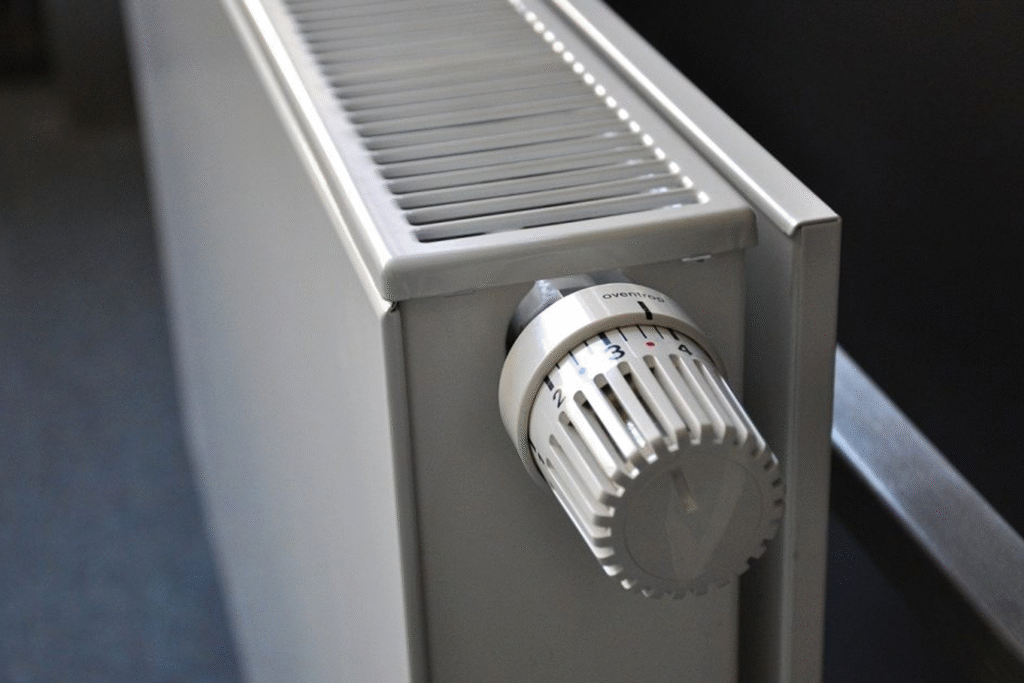
They work best at low flow temperatures and pair well with:
Underfloor heating
Large radiators
This steady heat approach is part of The Future of Home Heating, replacing the “rapid blast” style of boilers.
Gas Boiler Comfort Levels
Gas boilers provide rapid, powerful heat, making them ideal for older homes with small radiators.
They reach higher temperatures faster and handle cold climates more effectively without upgrades.
Maintenance and Lifespan
Maintenance affects long-term cost and system reliability.
Heat Pump Maintenance
Heat pumps require:
Annual servicing
Occasional refrigerant checks
Filter cleaning
A well-maintained heat pump lasts 18–25 years, which strongly supports their role in The Future of Home Heating.
Gas Boiler Maintenance
Gas boilers require annual services, safety checks, and occasional repairs.
Boilers typically last 10–15 years, significantly less than a heat pump.
Which Option Saves More Money Long-Term?
When comparing long-term savings, you must consider:
Energy prices
System efficiency
Home insulation
Grant eligibility
Heat Pumps
Heat pumps often provide:
Lower monthly heating bills
Long-term savings
Reduced environmental impact
Their efficiency alone makes them a strong candidate for The Future of Home Heating.
Gas Boilers
Gas boilers have:
Lower installation cost
Higher running costs
Shorter lifespan
They may remain practical for a few more years, but long-term savings generally favour heat pumps.
Hybrid Systems: A Bridge to The Future of Home Heating
Hybrid systems combine a heat pump with a gas boiler.
This allows:
Heat pump usage in mild weather
Boiler support during extreme cold
Hybrid systems are an emerging part of The Future of Home Heating, offering flexibility for homes not ready for a full transition.
Government Policies and The Future of Home Heating
Governments worldwide—and especially in the UK—are restructuring heating policies.
Key targets include:
Reducing carbon emissions
Phasing out new gas boilers in future decades
Promoting renewable heating technologies
These policies accelerate The Future of Home Heating, making heat pumps increasingly common.
Which System Is Best for Your Home?
The answer depends on:
Your budget
Your insulation level
Your heating demands
System lifespan expectations
Heat pumps are best if:
Your home is well insulated
You want long-term savings
You prioritise low emissions
You are preparing for The Future of Home Heating
Gas boilers are best if:
You want the lowest upfront cost
Your home is older or poorly insulated
You need rapid high-temperature heating
Conclusion: What The Future of Home Heating Really Looks Like
The heating industry is evolving rapidly. With rising energy costs, environmental concerns, and government initiatives, homeowners must understand The Future of Home Heating before investing.
While gas boilers remain practical and affordable, heat pumps represent the long-term future due to efficiency, sustainability, and government support. Hybrid systems offer an excellent transitional option for many homes.
Choosing the right system today ensures comfort, lower bills, and long-term value.
And as the UK continues shifting toward renewable energy, heat pumps will likely become the cornerstone of The Future of Home Heating.