
Heating costs are rising every year, and many homeowners are looking for how to reduce heating bills without sacrificing comfort. The good news is that you do not need to freeze, bundle up excessively, or live in a cold home to save money. With smart planning, energy-efficient upgrades, and good heating habits, you can reduce monthly expenses while keeping your home warm and comfortable all winter long.
In this guide, we explore the most effective, practical, and affordable ways to lower heating bills without compromising comfort. Whether you use gas, oil, heat pumps, or electric heating, these strategies apply to nearly every modern home.
Several factors contribute to rising heating costs:
Poor insulation that allows warm air to escape
Inefficient or aging heating systems
High energy prices in winter
Heat loss through windows, doors, or ductwork
Incorrect thermostat usage
Lack of regular HVAC maintenance
Drafts and air leaks around a home
Running heating while no one is home
Understanding these causes helps you target the most effective solutions for reducing your heating expenses.
How to Reduce Heating Bills Without Sacrificing Comfort: Key Strategies
This section uses your focus keyword in the heading, improving SEO and helping search engines understand your topic. To truly understand how to reduce heating bills without sacrificing comfort, you must combine multiple strategies—structural, behavioral, and mechanical.
Below are the key categories:
Smart thermostat adjustments
Improving insulation
Weatherproofing and sealing drafts
HVAC system maintenance
Efficient upgrades
Home behavior changes
These improvements collectively reduce heat loss, increase system efficiency, and maintain comfort.
Smart Thermostat Savings
Heating and cooling account for nearly half of a home’s energy usage. This means the thermostat is one of the most powerful tools for lowering bills.
Here are ways to optimize thermostat usage:
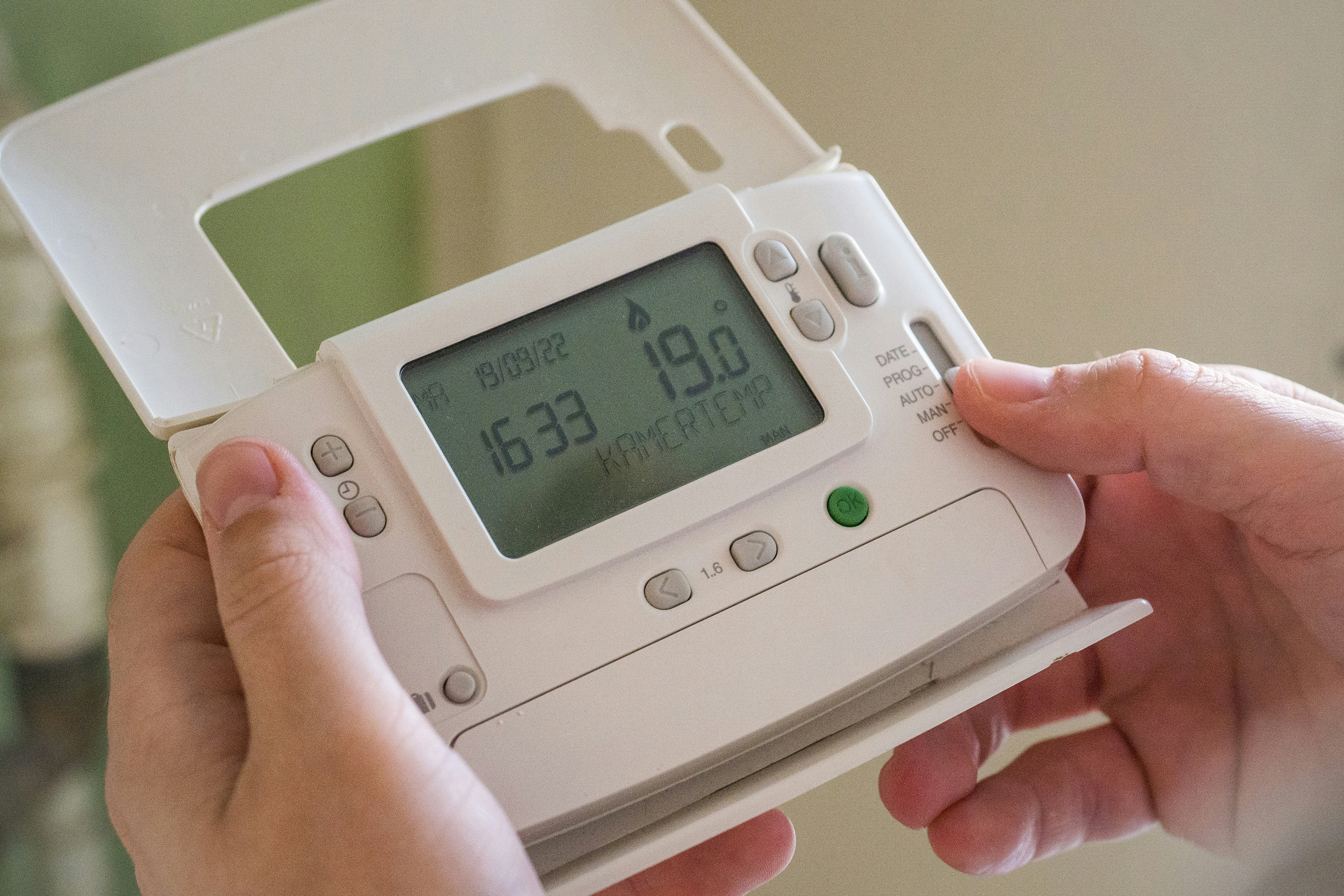
Set the thermostat to 19–20°C (66–68°F) when home
Lower it by 2–3°C (3–5°F) at night
Use a programmable thermostat for scheduled temperature changes
Enable eco-mode when away from home
Avoid extreme temperature boosts; heating does not warm faster when set higher
Modern smart thermostats, such as Google Nest or ecobee, also provide energy reports, occupancy sensing, and efficiency recommendations.
Benefits include:
Consistent comfort
Automatic savings
Remote control from your phone
Energy-usage monitoring
A smart thermostat can reduce heating costs by up to 15% annually.
Improve Insulation Throughout the Home
One of the biggest reasons homeowners struggle with heating costs is inadequate insulation. Insulation prevents warm air from escaping and helps your heating system run more efficiently.
Areas to improve include:
Attic insulation
Wall insulation
Basement insulation
Crawl space insulation
Garage insulation
Pipe and duct insulation

Benefits of proper insulation:
Reduced heat loss
Better temperature stability
Lower energy usage
Increased home value
Insulation upgrades typically pay for themselves in a few years due to energy savings.
Weatherproofing and Sealing Drafts
Even a well-insulated home can lose heat through cracks, gaps, and openings around windows and doors. Sealing leaks is one of the cheapest and most effective ways to reduce heating bills without sacrificing comfort.
Areas to inspect:
Window frames
Door edges
Electrical outlets on exterior walls
Fireplace dampers
Dryer vents
Basement windows
Attic access points
Ways to seal drafts:
Apply weatherstripping
Use silicone caulk around gaps
Install foam outlet insulators
Add door sweeps
Use insulated curtains or thermal blinds
A home energy audit can also identify hidden leaks.
HVAC Maintenance Tips
Your heating system needs regular care to operate efficiently. Lack of maintenance can cause higher energy usage, uneven heating, or complete system failure.
Important maintenance tasks:
Replace air filters every 1–3 months
Clean vents and registers
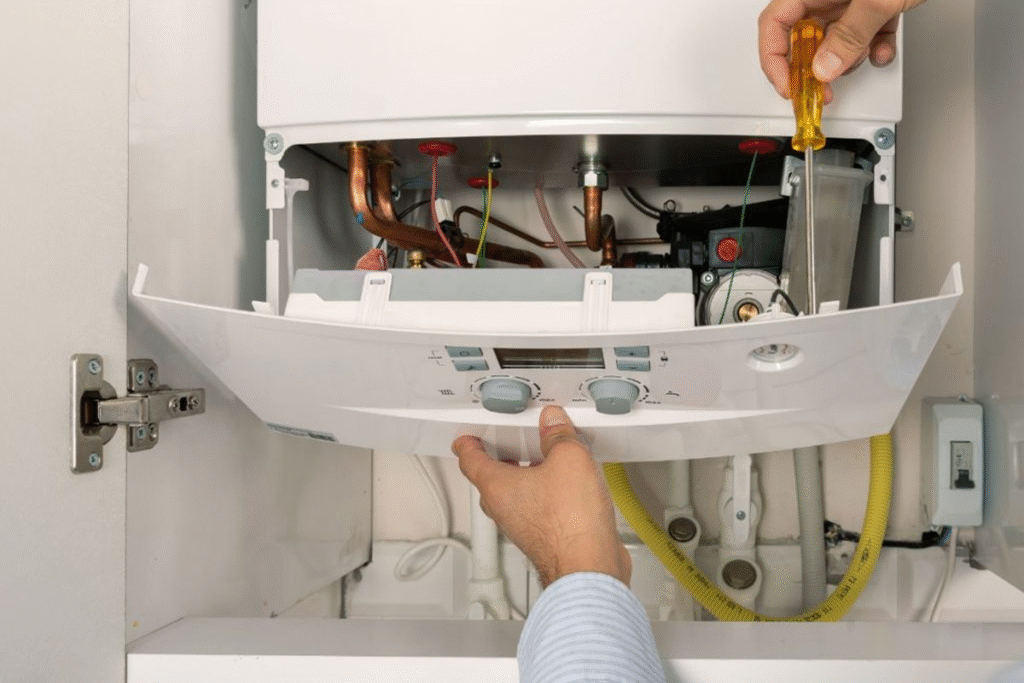
Schedule annual professional servicing
Inspect ducts for leaks
Ensure the thermostat is functioning correctly
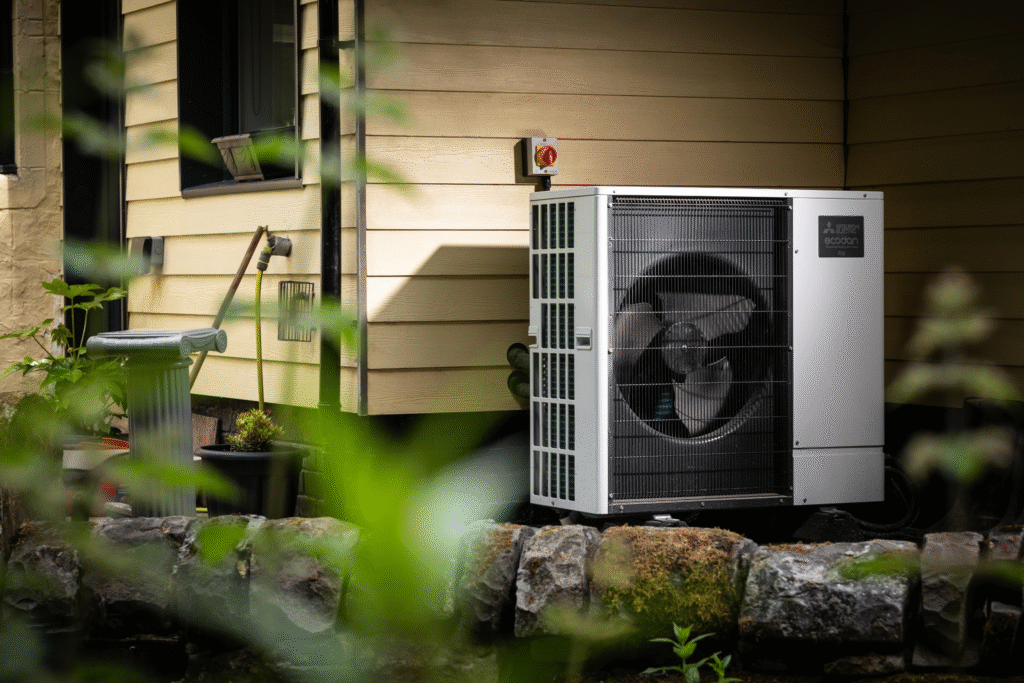
Keep the outdoor heat pump or condenser clear of debris
Why this matters:
Lower energy consumption
Better heating performance
Longer system lifespan
Reduced risk of breakdowns
Efficient Heating Habits That Improve Comfort
Small daily habits can significantly cut heating costs. None of these require reducing comfort.
Helpful habits:
Keep interior doors open to maintain steady airflow
Use ceiling fans on a low reverse setting to push warm air down
Close blinds at night to reduce heat loss
Keep blinds open during sunny winter days to allow natural warmth
Only heat occupied rooms when possible
Avoid blocking vents with furniture or rugs
These habits maximize the efficiency of your heating system without lowering comfort.
Energy-Saving Home Upgrades
Some upgrades have a higher upfront cost but deliver long-term savings.
Recommended upgrades:
- High-efficiency furnace or boiler
- Heat pump installation
- Radiant floor heating
- Energy-efficient windows
- Solar water heating
- Thermal curtains across large windows
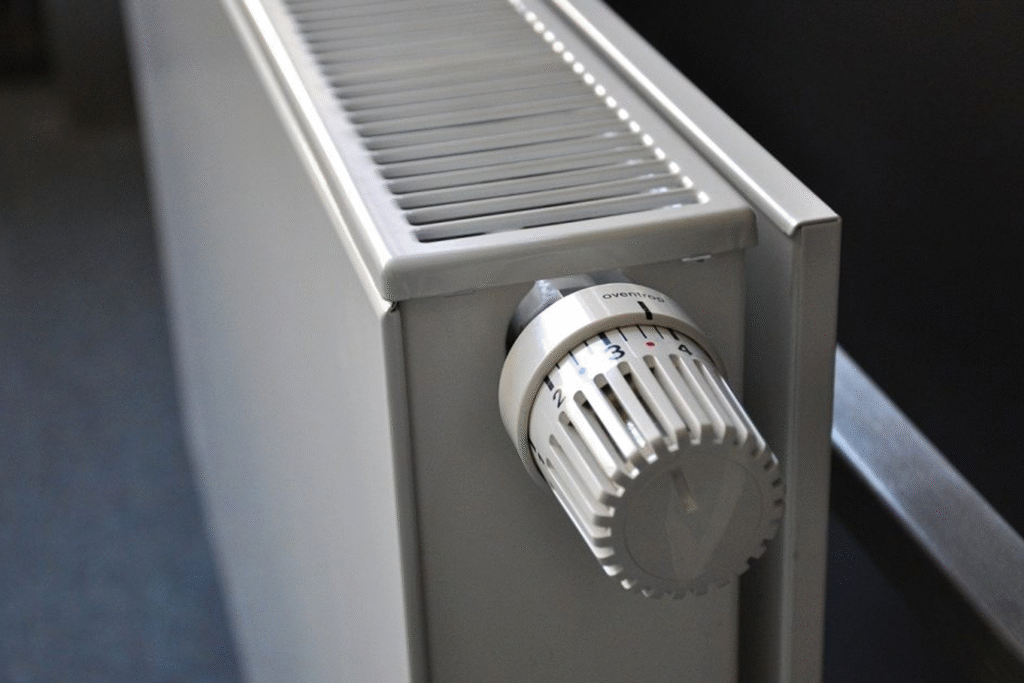
- Smart radiator valves for zoned control
These improvements can dramatically reduce heating bills while keeping your home at a consistent comfort level.
Learning how to reduce heating bills without sacrificing comfort isn’t just about cutting costs—it’s about improving the quality of life at home. With the right combination of insulation, smarter heating controls, behavioural adjustments, and proper maintenance, you can enjoy a warm, cosy space without worrying about rising energy costs.
For more information you can check out Energy Saving Trust.
Small changes lead to big results. Start implementing one or two of these strategies today and build your way toward a more efficient, comfortable, and affordable home.