
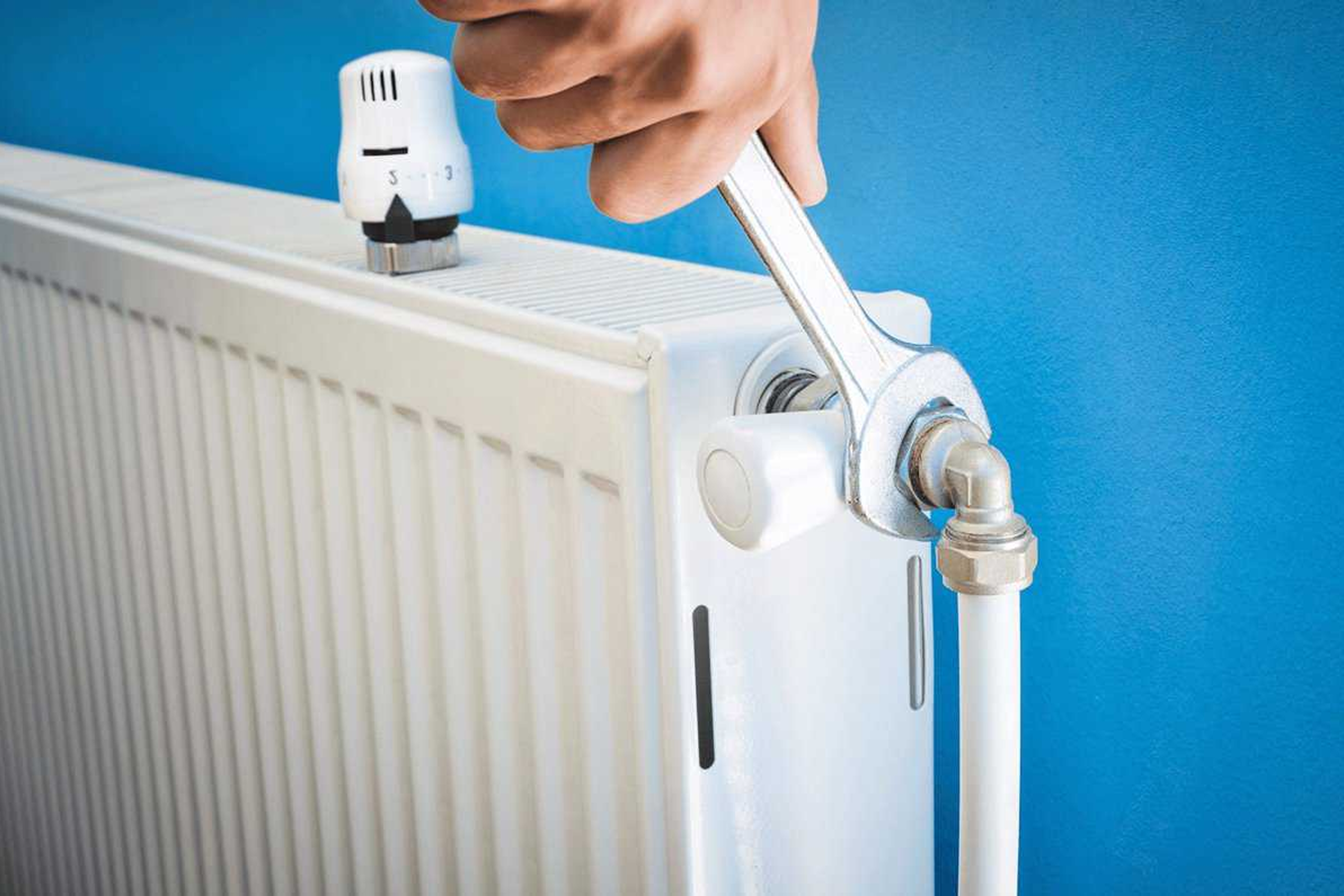
If your radiators take ages to heat up, your boiler makes strange noises, or your heating system just doesn’t perform the way it used to, you may be facing sludge buildup. This is one of the most common issues in central heating systems across the UK — and the solution often comes down to choosing between a Power Flush vs. Chemical Flush.
Both methods can improve heating efficiency, reduce energy bills, and extend the life of your boiler, but they work differently and are suitable for different situations. Understanding the difference ensures you make the right investment for your home, your budget, and your long-term comfort
What Is a Power Flush?
A power flush is a deep-cleaning process that uses a specialist machine to push high-velocity water and cleaning chemicals through your central heating pipes and radiators. The purpose is to remove:
Sludge
Rust
Limescale
Black iron oxide
Debris from ageing pipes
The equipment used produces enough force to dislodge stubborn blockages that regular chemical treatments cannot remove.
A power flush is typically done by heating engineers who use industry-standard equipment
How Does a Power Flush Work?
Although each engineer may have their own preferred method, the process usually includes:
Connecting a power-flushing machine to your heating system
Adding cleaning chemicals
Forcing water at high speed through each radiator
Reversing the flow to lift settled sludge
Bleeding radiators to remove trapped air
Flushing until the water runs completely clear
Adding corrosion inhibitors to protect your system
A full power flush usually takes 4–8 hours, depending on system size and sludge level.
Benefits of a Power Flush
A power flush offers several strong advantages:
Maximum sludge removal for heavily blocked systems
Restores full radiator heat
Improves boiler efficiency
Reduces noise in pipes and boiler
Helps prevent breakdowns
Extends boiler lifespan
Increases water flow rate
If your system is severely clogged, a power flush is usually the only method strong enough to bring it back to near-new condition.
What Is a Chemical Flush?
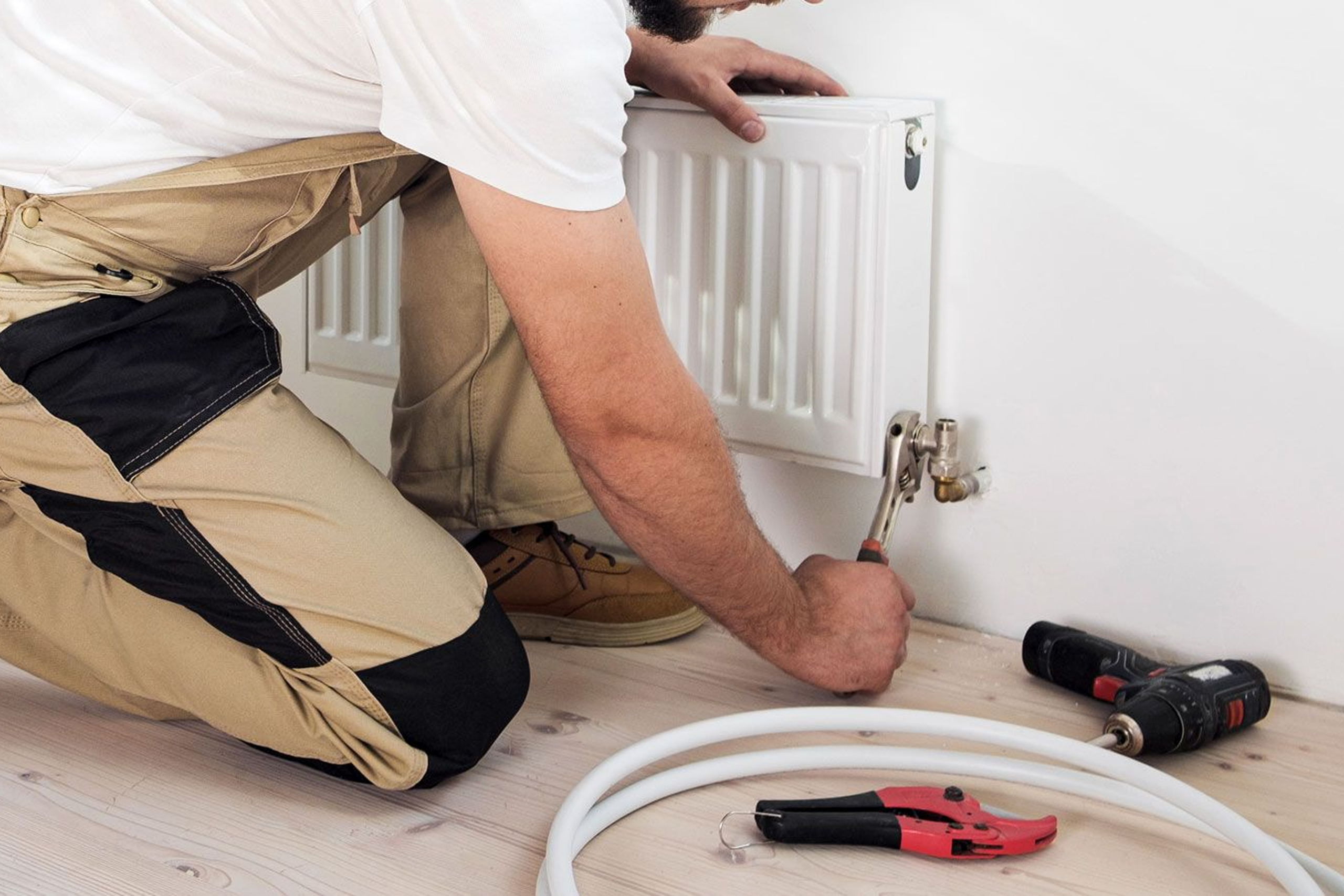
A chemical flush, sometimes called a chemical clean, is a lighter and gentler cleaning method. Instead of using a machine, your engineer introduces chemical cleaning agents into the system and lets them circulate naturally with normal pump flow.
A chemical flush works well to:
Prevent sludge buildup
Maintain system cleanliness
Improve mild-to-moderate heating performance
Reduce long-term corrosion
Chemical flushes are usually recommended during regular maintenance, after boiler installation, or when only a light clean is needed.
How a Chemical Flush Works
A cleaning solution is added to the central heating system
The heating is turned on to allow circulation
The chemical slowly breaks down light sludge or early corrosion
The system is drained and refilled
A corrosion inhibitor is added
This is a much simpler method than a power flush and usually takes 1–2 hours.
Benefits of a Chemical Flush
Affordable compared to a power flush
Gentle on older or fragile pipework
Good preventative maintenance
Prolongs boiler efficiency
Reduces corrosion risks
A chemical flush is ideal when sludge levels are low or when carried out regularly as part of an annual maintenance plan
Signs You Need a Power Flush
Choose a power flush if you notice:
Radiators stay cold at the bottom
Heating takes too long to warm up
Water coming from radiators is black
Boiler keeps shutting down
Boiler makes banging or kettling noises
Some radiators don’t heat at all
Pump failures
Dirty or thick system water
Frequent boiler breakdowns
Air trapped repeatedly
Blocked pipes
If several radiators aren’t heating and the problem is system-wide, a power flush is usually the best solution.
Signs You Need a Chemical Flush
Choose a chemical flush if:
Your system is relatively new
You’ve had a power flush in the last 3–5 years
Radiators heat unevenly but not severely
Boiler efficiency has dropped slightly
The system is making mild noise
You want preventative maintenance
Chemical flushes are excellent for new-builds or systems serviced yearly.
Cost Comparison: Power Flush vs. Chemical Flush
Pricing varies by region and system size, but typical UK costs are:
Power Flush Cost
£350–£700 for a standard 6–10 radiator system
£800+ for larger properties
Chemical Flush Cost
£60–£150 for most homes
A power flush is more expensive because it requires specialised tools, skilled labour, and several hours of work.
Is a Power Flush Safe for All Systems?
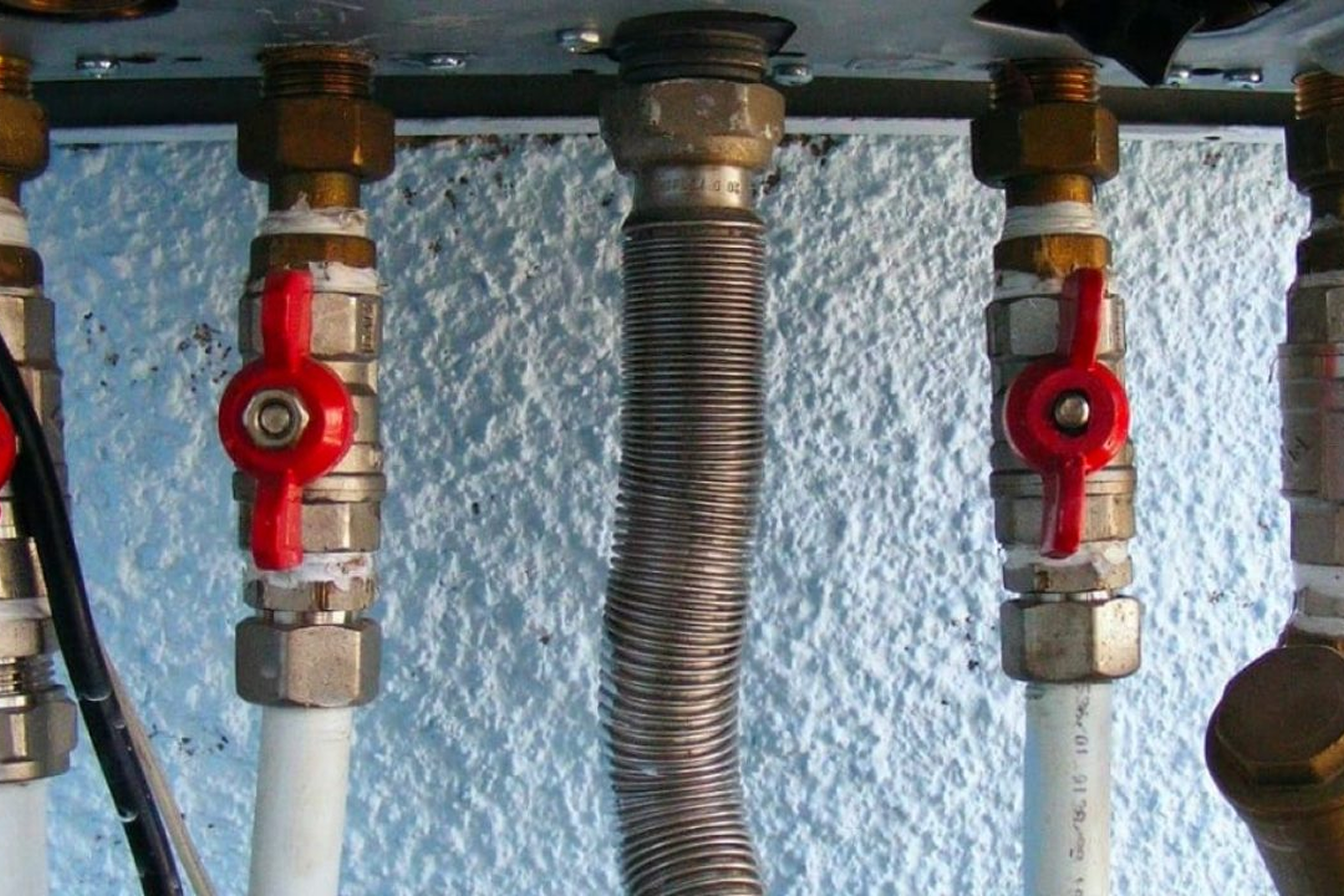
No. A power flush is not recommended for:
Very old pipework
Systems with leaks
Properties with weak joints or fragile radiators
The intense pressure can worsen weak points, so engineers may instead recommend a chemical flush or targeted radiator cleaning.
Is a Chemical Flush Enough?
A chemical flush is enough only if:
Sludge levels are low
Radiators still heat (even if unevenly)
Water is slightly brown, not thick black
System performance has only slightly decreased
If your system is heavily clogged, chemical cleaning will not address the core issue.
Which One Improves Energy Efficiency More?
A power flush improves efficiency the most because it:
Boosts water circulation
Improves radiator output
Reduces boiler stress
Improves heat transfer
Reduces energy waste
However, a chemical flush will help maintain efficiency over time and prevent performance decline.
How Often Do You Need a Power Flush vs. Chemical Flush?
Power flush:
Every 5–10 years, depending on system age and usage.
Chemical flush:
Every 1–2 years, usually during boiler servicing.
Warranty and Compliance Considerations
Many boiler manufacturers — including Worcester Bosch, Vaillant, and Ideal — require system cleaning during installation to maintain warranty coverage.
A chemical flush is often enough for new systems, while older systems may require a power flush before a new boiler is installed.
Environmental Impact: Power Flush vs. Chemical Flush
Modern heating chemicals are biodegradable and safe, but quantity varies.
Power flush uses more water and chemicals.
Chemical flush uses fewer resources and is more eco-friendly.
If your goal is sustainability, regular chemical maintenance reduces the need for large and resource-heavy power flushes.
Conclusion: Which Should You Choose — Power Flush or Chemical Flush?
When deciding between Power Flush vs. Chemical Flush, the best method depends on the condition of your heating system:
Choose a Power Flush for severe sludge, cold radiators, or system-wide blockages.
Choose a Chemical Flush for mild buildup, maintenance, or newly installed systems.
Both methods play a critical role in improving efficiency, reducing energy bills, and preventing boiler breakdowns.
If you’re unsure which service you need, contact your heating engineer for an assessment.