
In this detailed guide — Gas Safety Certificate Explained — we’ll break down what it means, who needs one, how to get it, what’s checked during inspection, and why annual gas safety checks protect your property, your tenants, and your peace of mind
Every homeowner, landlord, and tenant in the UK should understand what a Gas Safety Certificate is and why it’s essential. This document proves that your property’s gas appliances, fittings, and flues have been inspected by a qualified professional to ensure they are safe and compliant with UK law.
What Is a Gas Safety Certificate?
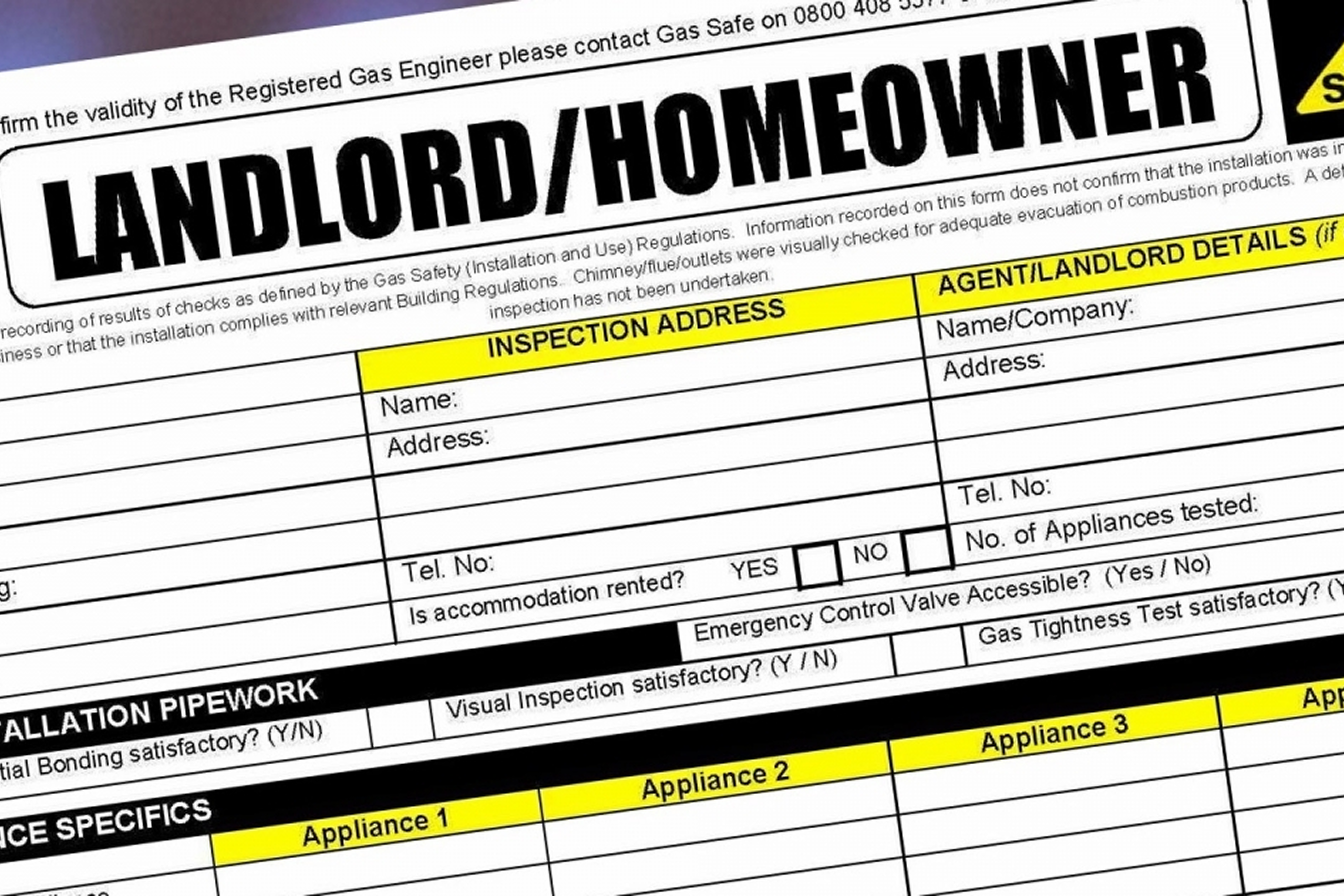
A Gas Safety Certificate, officially known as a Landlord Gas Safety Record or CP12 certificate, is a document provided by a Gas Safe registered engineer after a property’s gas appliances have been checked for safety.
It includes details of the engineer, inspection date, gas appliances checked, test results, and any safety issues found. The certificate proves that your gas system meets the Gas Safety (Installation and Use) Regulations 1998 — which require landlords to have annual checks done by a qualified professional.
Why a Gas Safety Certificate Is Important
The benefits of having a Gas Safety Certificate extend beyond legal compliance. It ensures:
Protection from carbon monoxide leaks — faulty gas appliances can produce this odourless, deadly gas.
Improved appliance efficiency — regular checks detect problems before they worsen.
Legal compliance for landlords and letting agents.
Peace of mind for tenants and homeowners.
Without a valid certificate, landlords face fines up to £6,000 per property and even imprisonment for serious breaches
Gas Safety Certificate Explained: Who Needs It?
You need a Gas Safety Certificate if you are:
A landlord — legally required to provide annual certificates for each rented property.
A letting agent — responsible for ensuring properties you manage are compliant.
A homeowner — not legally required, but recommended for safety and insurance reasons.
A tenant — entitled to receive a copy of the valid certificate before moving in and within 28 days of inspection.
What Happens During a Gas Safety Inspection?
When your engineer visits, they will:
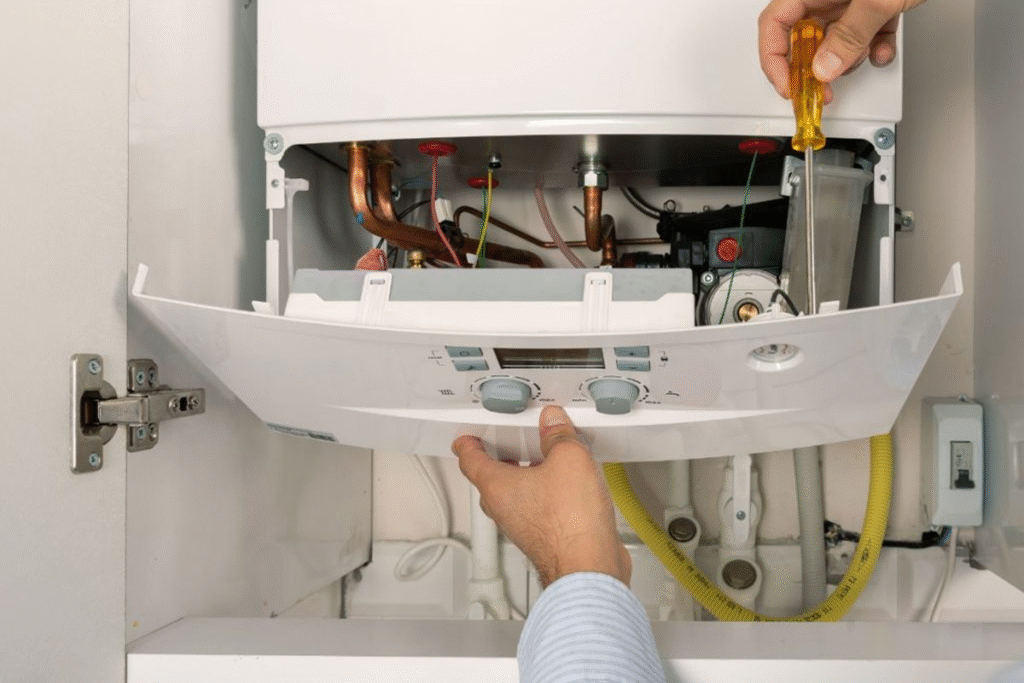
Check gas appliances (boiler, cooker, fireplace) for leaks and proper ventilation.
Ensure flues and chimneys safely expel gases.
Test gas pressure and flow.
Inspect pipework for corrosion or damage.
Verify carbon monoxide detectors are installed and functioning.
The inspection usually takes between 30 minutes and one hour depending on the size of your property and number of appliances.
How to Get a Gas Safety Certificate
Hire a Gas Safe Registered Engineer
Always ensure your engineer is registered — ask for their ID card or verify on the Gas Safe Register website.Schedule the Inspection
Landlords must arrange this annually. Homeowners can book any time as a safety precaution.Receive the Certificate
Once the inspection is complete, the engineer will issue your certificate either digitally or on paper.Keep Records
Landlords must keep certificates for at least two years and provide tenants with a copy.
What Information Appears on a Gas Safety Certificate?
A valid Gas Safety Certificate includes:
The engineer’s name, registration number, and signature
Date of inspection
Address of the property
Description of each appliance checked
Results of safety checks
Recommended actions or repairs
Confirmation that appliances are safe for use
This transparency ensures accountability and protects both the tenant and property owner.
How Often Should You Renew It?
Landlords are required by law to renew their Gas Safety Certificate every 12 months. Even if no issues arise, an annual inspection keeps your record current and valid.
Homeowners should also consider annual checks, particularly before winter, when gas appliances work hardest.
Gas Safety Certificate Explained: Common Myths
Let’s clear up a few misunderstandings:
Myth 1: Homeowners don’t need one.
While not mandatory, it’s a smart way to protect your family and property.
Myth 2: Any plumber can issue it.
Only a Gas Safe registered engineer can legally perform the inspection.
Myth 3: It’s too expensive.
Average cost ranges from £60–£100, a small price for safety and compliance.
Who Needs a Gas Safety Certificate?
This is one of the most common questions we get — and it’s crucial to know the answer.
1. Landlords
If you rent out property in the UK, you are legally required to have a Gas Safety Certificate renewed every 12 months. You must also give tenants a copy within 28 days of the inspection or before they move in.
2. Letting Agents
If you manage properties, you share the legal duty to ensure gas appliances are safe. Failing to confirm certificates are up to date can expose you to liability.
3. Homeowners
Although not a legal requirement, an annual gas safety check is highly recommended for homeowners. It ensures your system is safe and can even lower your energy bills.
4. Tenants
Tenants should ask for a valid certificate before signing a rental agreement. It’s your right to know that the property is safe.
How to Check If Your Engineer Is Gas Safe Registered
Before booking an inspection:
Ask for their Gas Safe ID card.
Look up their registration number on the Gas Safe Register.
Verify they are qualified for the type of work (domestic, LPG, etc.).
What Happens If You Don’t Have a Valid Gas Safety Certificate?
If you’re a landlord without a valid certificate, you could face:
Heavy fines or legal action.
Invalid insurance claims after a gas-related incident.
Tenants refusing occupancy or reporting you to authorities.
Risk of carbon monoxide poisoning or fire hazards.
Tenants can also report non-compliant landlords to the Health and Safety Executive (HSE), which enforces penalties for breaches.
The Role of Carbon Monoxide Detectors
A valid Gas Safety Certificate confirms that your gas systems and detectors are safe, but detectors themselves must also be regularly tested.
Carbon monoxide detectors should:
Be installed near boilers, cookers, and fireplaces.
Be tested monthly.
Be replaced every 5–7 years.
The Benefits of Staying Gas Safe
Understanding the Gas Safety Certificate Explained means recognising the wider benefits of staying compliant:
Legal peace of mind — avoid costly fines.
Energy efficiency — well-maintained systems use less gas.
Reduced breakdowns — catch small problems early.
Tenant satisfaction — tenants appreciate safe, compliant homes.
Environmental benefits — efficient systems reduce emissions.
How to Prepare for a Gas Safety Inspection
To help your engineer work efficiently:
Clear access to all gas appliances.
Ensure gas and electricity supply are on.
Have your previous certificate handy.
Inform tenants about the visit.
These small preparations save time and ensure a smooth inspection.
Gas Safety Certificate Explained: Key Takeaways
A Gas Safety Certificate proves your property’s gas systems are safe.
Only Gas Safe registered engineers can issue it.
Landlords are legally required to renew it every 12 months.
Tenants must be given a copy within 28 days of inspection.
Regular checks protect lives, property, and legal compliance.
Contact us today to book your inspection or speak to one of our Gas Safe professionals.